

India-EU Summit 2026 Explained: What The Landmark Free Trade Deal Means For India’s Economy


Introduction: A Historic Moment in Global Trade
Leaders from India and the European Union met in New Delhi on 27 January 2026 for the 16th bilateral summit. The two nations shook hands on what is being called the “mother of all deals”. The summit concluded with the signing of the long-negotiated India-EU free trade agreement. A large number of EU-made goods and commodities will be subject to low or zero tariffs, thereby enhancing the choices available to Indian consumers (list provided later in the blog). On the contrary, Indian manufacturers will get significant opportunities in the EU markets due to the free trade agreement.
The deal has been years in the making and is being described by policymakers as transformational. The India EU Summit 2026 is more than a routine diplomatic engagement; it is a turning point for India, providing it with access to one of the world’s largest single markets while signalling deeper economic, strategic, and geopolitical alignment between India and the EU.

What Happened At The India-EU Summit 2026
The India-EU free trade agreement has combined a landmark trade breakthrough with renewed commitments to long-term strategic cooperation. It has marked a decisive moment in bilateral relations not just between India and the European Union, but universally. Here are the key India-EU FTA highlights:
1. Conclusion of the India-EU Free Trade Agreement:
Leaders from India and the EU formally announced the conclusion of the India-EU Free Trade Agreement, widely described as the “mother of all trade deals” due to its scale, ambition, and coverage across goods, services, and multiple sectors.
2. Commitment to Tariff Liberalisation and Market Access:
The agreement clears the path for large-scale tariff reductions, expanded market access, and smoother trade flows, setting the foundation for deeper economic integration between the two economies.
3. Reaffirmation of the India-EU Strategic Partnership:
Beyond trade, the India EU Summit 2026 reinforced the broader India EU strategic partnership, with emphasis on economic cooperation, resilient supply chains, technology collaboration, and security engagement.
4. Strengthening Global Trade Ties:
Official statements highlighted that the deal connects two major economic regions representing nearly two billion consumers, positioning the EU as one of India’s most significant long-term trade partners within global trade India-EU relations.
What The India-EU Free Trade Agreement (FTA) Covers
The India-EU free trade agreement focuses on wide-ranging tariff liberalisation and market access commitments, making this one of India’s most comprehensive trade agreements to date.
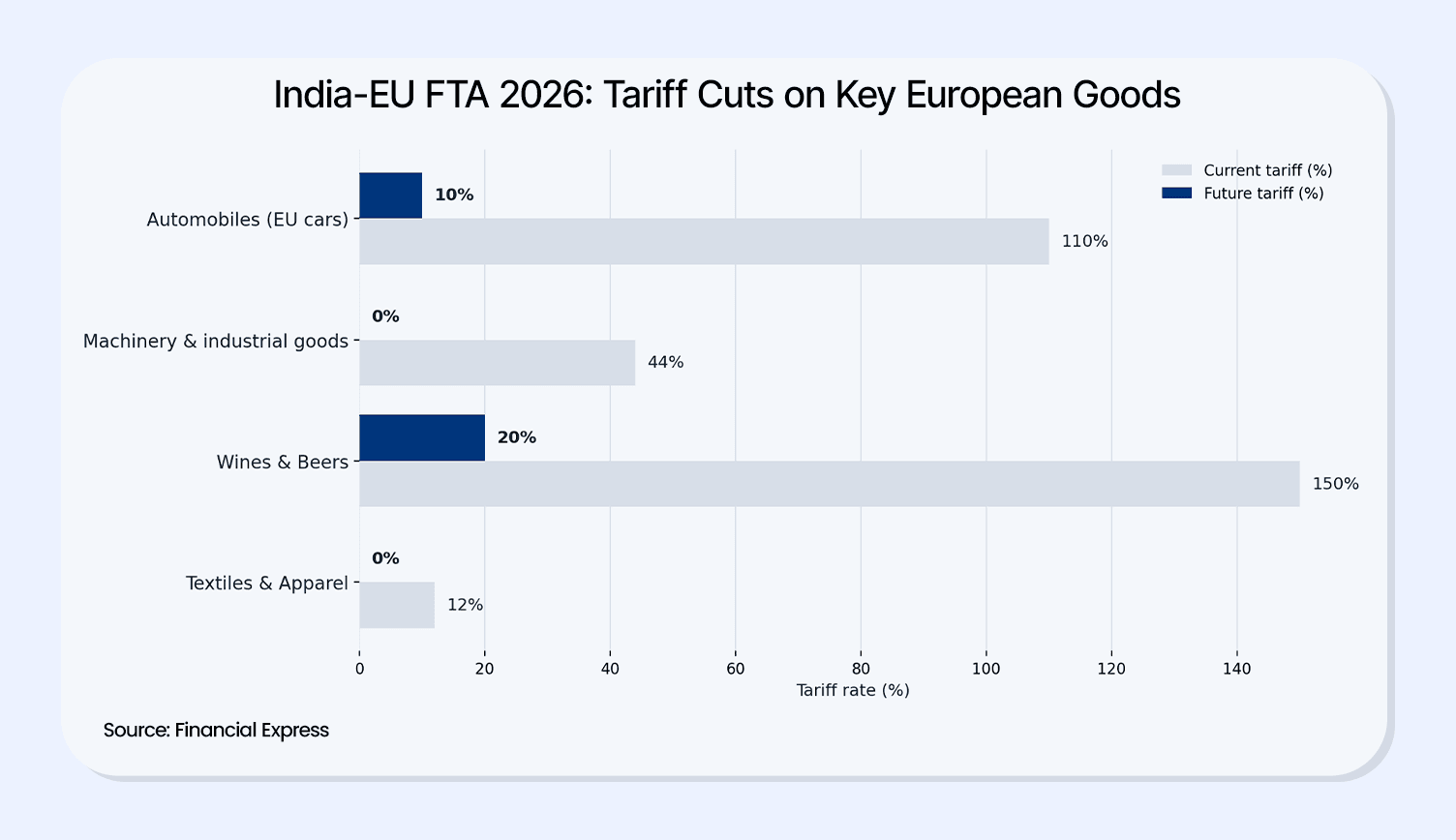
Figure 1.0: List of Imports from EU eligible for Tariff Cut
Some crucial India EU FTA highlights are:
1. Extensive Tariff Reductions Across Goods:
India has committed to reducing or eliminating tariffs on approximately 96–97% of tariff lines over time, while the EU will provide preferential access for Indian exports across its single market.
2. Coverage of Key Manufacturing and Consumer Sectors:
The agreement spans textiles and garments, leather and footwear, machinery, chemicals, automotive components, wines and spirits, along with selected agricultural and marine products.
3. Beyond Goods: Services and Investment Provisions:
In addition to goods trade, the pact includes services, investment facilitation, and regulatory cooperation, reinforcing the EU trade pact with India framework as a broad economic agreement.
4. One of India’s Most Ambitious Trade Commitments:
The scale of these India-EU trade tariff cuts places the agreement among the most far-reaching bilateral trade pacts India has concluded so far.
5. What It Means for Indian Businesses & MSMEs
The India-EU trade deal impact is expected to reshape export opportunities for Indian businesses and MSMEs by improving access to one of the world’s largest consumer markets.
6. Lower Entry Barriers for Indian Exporters:
As a result of the deal, Indian goods will face reduced tariffs, making them more competitive in the EU and improving pricing power and profit margins for export-oriented firms.
7. Strong Benefits for MSME-Driven Sectors:
Industries such as textiles, leather goods, engineering products, and processed foods are positioned to see significant India exports EU benefits from easier market access.
8. New Opportunities in Services and Technology:
The agreement opens pathways for growth in services, technology, and investment flows. This will potentially encourage greater European business presence in India.
9. Wider Economic and Strategic Effects:
Over time, higher trade volumes may influence foreign exchange flows, strengthen supply chains, and enhance competitiveness, while also aligning with cooperation areas such as technology and India EU defence cooperation within the broader strategic partnership.
Conclusion
The India EU Summit 2026 represents far more than the signing of a trade agreement; it signals a recalibration of India’s engagement with Europe in an increasingly fragmented global economy. By committing to extensive tariff liberalisation, deeper market access, and long-term cooperation, the India-EU partnership is positioned to reshape trade flows, investment patterns, and strategic ties. As the agreement moves toward implementation, its real impact will unfold across businesses, supply chains, and diplomatic relations. In that sense, the India EU Summit 2026 stands as a defining moment in the evolving story of trade deal India EU explained through economics, strategy, and global influence.
FAQs
1. What is a free trade agreement (FTA)?
A free trade agreement is a pact between countries to reduce or eliminate tariffs and trade barriers. The aim of such an agreement is to make it easier for goods and services to move across borders under agreed rules.
2. Why is the India-EU trade deal being called the “mother of all trade deals”?
The India EU Summit 2026 is being described as the “mother of all trade deals” because of its scale, covering nearly all traded goods, multiple sectors, and a combined market of around two billion people.
3. What percentage of goods will see lower tariffs under the India-EU FTA?
Under the India EU Summit 2026, India has agreed to reduce or eliminate tariffs on roughly 96–97% of tariff lines over time, with reciprocal market access from the EU.
4. Which Indian exports stand to benefit the most?
Textiles, garments, leather goods, machinery, automotive components, and selected agricultural and marine products are expected to see the greatest gains from improved EU market access.
References:
1. Hindustan times, accessed from: https://www.hindustantimes.com/india-news/india-eu-summit-live-updates-fta-deal-today-tariffs-pm-modi-ursula-von-der-leyen-antonio-costa-delhi-latest-news-101769475092357.html
2. DW, accessed from: https://www.dw.com/en/india-eu-trade-deal-reached-modi-says/live-75669574
3. Static, accessed from: https://static.pib.gov.in/WriteReadData/specificdocs/documents/2026/jan/doc2026124766701.pdf
4. Consilium, accessed from: https://www.consilium.europa.eu/en/meetings/international-summit/2026/01/27/
5. TOI, accessed from: https://timesofindia.indiatimes.com/business/india-business/india-eu-fta-what-is-mother-of-all-deals-13-outcomes-explained/articleshow/127616032.cms
Want to stay at the top of your finances?
Join the community of 4 lakh+ investors and learn more about Grip Invest, the latest financial knick-knacks, and shenanigans in the world of investing.
Happy Investing!
Disclaimer - Investments in debt securities/municipal debt securities/securitised debt instruments are subject to risks including delay and/ or default in payment. Read all the offer related documents carefully. The investor is requested to take into consideration all the risk factors before the commencement of trading.
This communication is prepared by Grip Broking Private Limited (bearing SEBI Registration No. INZ000312836 and NSE ID 90319) and/or its affiliate/ group company(ies) (together referred to as “Grip”) and the contents of this disclaimer are applicable to this document and any and all written or oral communication(s) made by Grip or its directors, employees, associates, representatives and agents. This communication does not constitute advice relating to investing or otherwise dealing in securities and is not an offer or solicitation for the purchase or sale of any securities. Grip does not guarantee or assure any return on investments and accepts no liability for consequences of any actions taken based on the information provided. For more details, please visit www.gripinvest.in
Registered Address - 106, II F, New Asiatic Building, H Block, Connaught Place, New Delhi 110001


