

8-4-3 Rule Of SIP Explained: A Simple Formula For Smarter Investing


For mature investors, the Indian investment market is inherently volatile, but it also offers a wide range of opportunities without fear or haste. The real differentiator lies not in chasing exceptional returns but in making prudent financial decisions and staying consistent over time. Sustainable wealth creation rarely comes from shortcuts; it is built through discipline, patience, and a well-thought-out investment approach.
For investors seeking a long-term, structured strategy, the 8-4-3 rule of SIP offers a practical framework. Whether you are new to investing or have traditionally relied on safer instruments, long-term SIP planning allows you to build a meaningful corpus gradually through small, regular investments.
Systematic Investment Plans are often described as “set it and forget it” tools, and with good reason. A disciplined SIP strategy India removes the pressure to time the market and reduces the need to react to short-term volatility. Over time, as market cycles unfold, such an approach can bring clarity and stability to long-term financial goals, such as retirement planning and funding a child’s education.
Why SIP Rules Matter More Than Timing The Market
Many factors affect an investor's decision-making power. Whether it Is a quick market read or online influence, anything can shift your focus. But knowing when to stop and when to move forward can save your current and future financial condition. However, numbers are uneven; the most common are:
1. Behavioural discipline in investing
Investor returns often lag behind mutual fund returns largely because investment decisions are driven by emotion rather than strategy. Multiple studies have shown that a significant portion of retail investors exit equity mutual funds within two to three years, just when the benefits of compounding are beginning to take shape.
Over time, clearly defined SIP rules help instill financial discipline by reducing decision fatigue. Instead of repeatedly questioning whether to continue an SIP during market corrections, a structured plan provides clarity and conviction. This sense of purpose allows investors to stay invested through market cycles, which is essential for long-term wealth creation.
2. Why simple frameworks work?
Strategically developing ideas, yet failing to execute on the original concept, shows poor implementation. The most successful SIP strategy in India is simple and consistently follows the same pattern. The rules of thumb of 8-4-3 attractiveness are proven successful because:
- To easily recall
- Long-term portrayal through SIP planning
- Eliminate Emotions Affecting Decisions
What Is The 8-4-3 Rule Of SIP?
The 8-4-3 rule of SIP is a risk management tool used to allocate funds based on time. This system adjusts the SIP asset allocation for investments in a particular fund as the number of years until the investment goal is reached decreases.
For the first eight years, the majority of your SIP investment will be allocated into equity-oriented mutual funds. It will allow you to take advantage of compounding and long-term growth. Over the next four-year period, your equity exposure will be reduced and reallocated to hybrid or balanced funds to help stabilize your returns.
The final three years of your investment will see almost all of your investments move into fixed-income vehicles to help preserve your accumulated wealth.
Although the 8-4-3 technique does not guarantee income or returns, it decreases volatility and increases the chances of reaching your long-term financial objectives.
How The 8-4-3 Rule Works In Real Life
To understand how this rule works in practice, consider an investor aiming to build a corpus of INR 30 lakh by investing INR 10,000 per month over 15 years to meet a long-term goal such as higher education or a comfortable retirement.
Data from the past eight years show that SIPs invested primarily in equity mutual funds have enabled investors to benefit from both compounding and rupee-cost averaging. Historically, equity mutual fund SIPs have delivered average annual returns in the range of 10% to 14%, with only a few exceptions, even after navigating multiple sharp market downturns in India.
Over the next four years, the portfolio will gradually shift toward reducing equity exposure and increasing allocations to hybrid and fixed-income instruments. This rebalancing helps lower volatility while protecting the gains accumulated over the years.
Over the final three years, the portfolio has been largely tilted toward debt instruments. The objective at this stage is capital preservation and return stability as the goal approaches, since a major market correction during this period could materially impact the overall corpus.
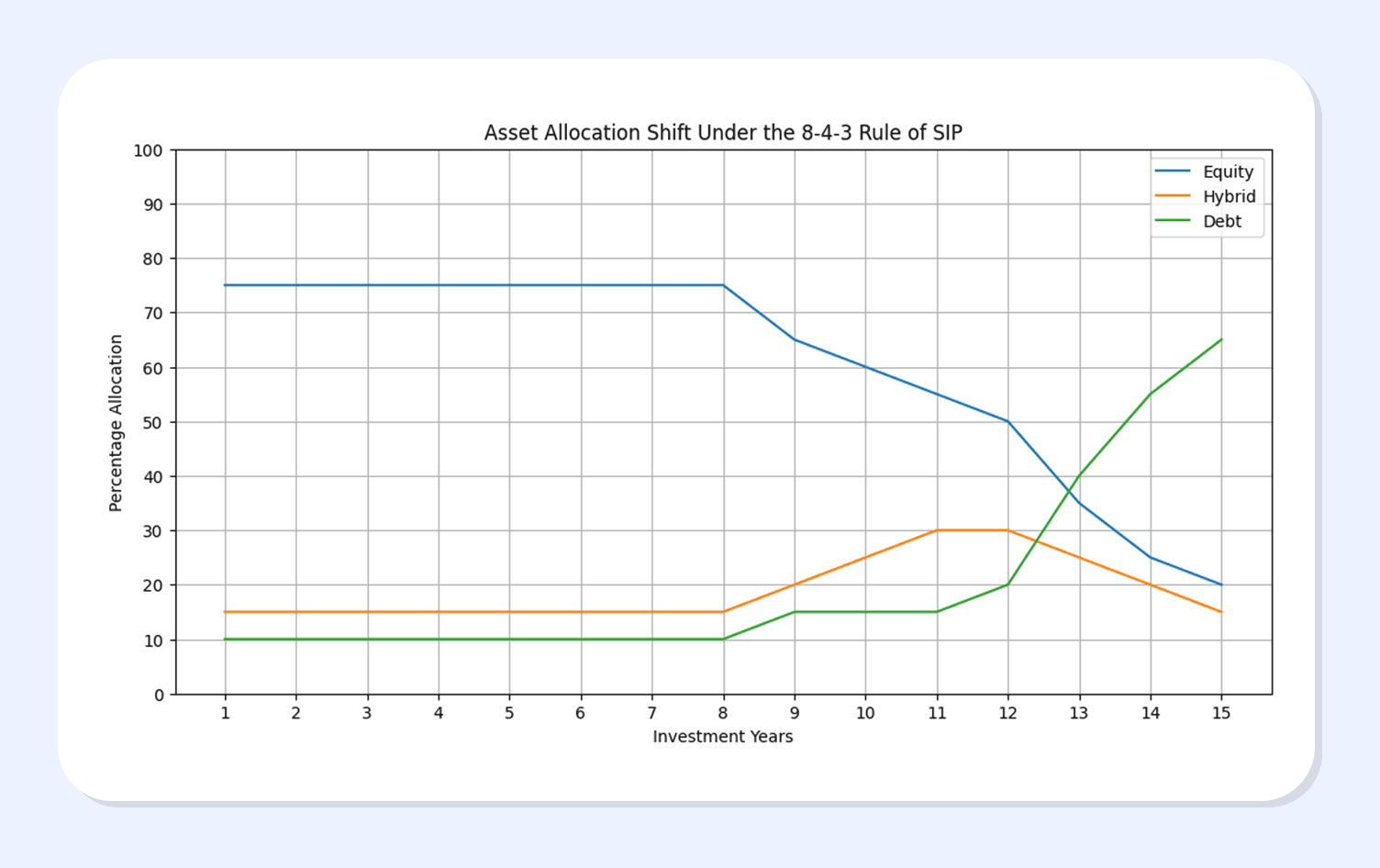
Figure 1.0: Graphical Representation of the 8-4-3 Rule (Self-Generated)
Common Mistakes Investors Make With SIP Planning
A common mistake in long term SIP planning is keeping a fully allocated equity portfolio throughout the entire investment period, right up until the investment ends. While equities often deliver strong long-term returns, their value tends to be highly volatile and can experience sharp short-term declines.
For instance, during the 2008 global financial crisis, the Indian Stock market declined significantly in value and took years to recover. Investors who needed cash during this time faced capital losses, even after years of disciplined investing.
Another common mistake is ignoring fixed-income products and treating them as unnecessary requirements. Many people see debt funds as low-return investments. However, fixed-income investments help reduce volatility and offer a level of certainty regarding future returns that align with the investor's SIP target date. When there is no SIP asset allocation to this class, an investor exposes themselves to higher volatility, especially when they need stability in their portfolio the most.
Using Fixed Income Instruments To Strengthen SIP Strategy
To enhance the effectiveness of an SIP strategy, fixed-income securities contribute to the overall stability of your investments by reducing short-term volatility and protecting your accumulated wealth as you approach your long-term financial objectives.
Role of bonds during later phases
Bonds and debt mutual funds have been an important part of the final three to four years of a SIP period for the previous three to four years. As per RBI data, long-term government bonds in India have often provided a stable 6% to 7% return over the long term, regardless of the equity market cycle.
Additionally, a mix of the following types of debt mutual funds would also greatly reduce downside risk:
- Short-duration funds
- Target maturity funds
- Gilt funds
Improving the predictability of returns
As you approach your goal, reliable investment performance takes precedence over maximum yield. Investing in fixed income results in:
- Reduced NAV volatility;
- Simplicity for managing withdrawals;
- Improved cash flow.
These factors align nicely to support the SIP Strategy based on the 8-4-3 Rule.
Conclusion
The 8-4-3 rule of SIP brings structure to long-term investing by shifting the focus from market timing to time-based asset allocation. By prioritising equity for growth in the early years, gradually reducing risk through hybrids, and finally preserving capital with fixed-income instruments, the rule helps investors stay disciplined and goal-focused through market cycles. What really makes this approach effective is its simplicity and behavioural strength. For investors looking to strengthen the fixed-income leg of their SIP strategy, platforms like Grip Invest offer access to curated bonds and other regulated debt instruments that can complement the later stages of long-term SIP planning. In the end, successful investing is less about chasing returns and more about following a strategy you can stay committed to.
Frequently Asked Questions
1. Is the 8-4-3 rule suitable for beginners?
Yes, because it is simple, beginner investors looking to create an 8-4-3 SIP Plan can do so without developing complex financial models.
2. Can bonds be included in SIP strategy?
Yes, bonds and Debt Funds play an important role in preserving Capital accumulated in the final stages and also in providing more stable returns.
3. Does the 8-4-3 rule guarantee returns?
No investment formula can guarantee returns. However, it does help the investor with Risk Management and consistently increases the chances of achieving investment success.
4. How often should SIP allocation be reviewed?
You should reassess your allocation at least once a year, or when there are significant changes in your life or income. Keeping your SIP allocations ‘rebalanced’ is the most important factor in making the 8-4-3 Rule work for you.
Want to stay at the top of your finances?
Join the community of 4 lakh+ investors and learn more about Grip Invest, the latest financial knick-knacks and shenanigans that take place in the world of investing.
Happy Investing!
Disclaimer - Investments in debt securities/municipal debt securities/securitised debt instruments are subject to risks including delay and/ or default in payment. Read all the offer related documents carefully. The investor is requested to take into consideration all the risk factors before the commencement of trading.
This communication is prepared by Grip Broking Private Limited (bearing SEBI Registration No. INZ000312836 and NSE ID 90319) and/or its affiliate/ group company(ies) (together referred to as “Grip”) and the contents of this disclaimer are applicable to this document and any and all written or oral communication(s) made by Grip or its directors, employees, associates, representatives and agents. This communication does not constitute advice relating to investing or otherwise dealing in securities and is not an offer or solicitation for the purchase or sale of any securities. Grip does not guarantee or assure any return on investments and accepts no liability for consequences of any actions taken based on the information provided. For more details, please visit www.gripinvest.in
Registered Address - 106, II F, New Asiatic Building, H Block, Connaught Place, New Delhi 110001


