

Cost Push Inflation Explained: Causes, Examples, And Impact On The Economy


Imagine driving home after a long day, weary from Jaipur's bustling streets, only to pull into your favorite petrol station and freeze. The pump display screams a shocking new price—up 20% overnight—your wallet suddenly feels like it's been on a diet.
This isn't random bad luck; it's cost push inflation in action, a stealthy economic villain where surging production costs, like crude oil or imported fertilizers, force businesses to jack up prices across the board. Even as consumer demand slumps, factories pass on higher wages, energy bills, or raw material spikes, creating a vicious squeeze1.
From Rajasthan textile mills paying more for cotton amid global shortages to Mumbai eateries hiking menu prices due to pricier grains, cost push inflation meaning exposes a supply-side sabotage that hits factory workers with stagnant real wages and shoppers with shrinking purchasing power. Families cut back on essentials, small businesses battle razor-thin margins, and the economy teeters toward stagflation—rising prices paired with sluggish growth. In India, where oil imports fuel 85% of energy needs, such shocks ripple fast, as seen in 2025's lingering food and fuel pressures.
This sets the stage for a deeper dive: keep reading to uncover What Is Cost Push Inflation? and how it unfolds
What Is Cost Push Inflation?
Picture a busy bakery where the price of flour suddenly doubles due to a poor harvest. The owner can't bake bread without it, so loaves cost more to produce—and soon, your morning toast gets pricier too. Cost push inflation definition describes this exact scenario: a sustained rise in overall price levels triggered by higher input costs like raw materials, labor, or energy, reducing aggregate supply2.
Businesses pass these cost push factors to consumers to protect profits, creating a ripple effect across the economy. This differs from demand-driven pressures, often leading to "stagflation"—high inflation paired with slow growth3. Ready to spot the culprits? Dive into the Major Causes of Cost Push Inflation next!
Major Causes Of Cost Push Inflation
Cost-push inflation arises when rising production costs force businesses to increase prices, shifting the short-run aggregate supply curve leftward and reducing output. This contrasts with demand-pull inflation, as supply-side disruptions drive price hikes even amid stagnant demand. Vivid scenarios like oil rigs halting amid geopolitical strife illustrate how these pressures ripple through economies.
1. Supply Shocks- Sudden disruptions, such as the 1973 OPEC oil embargo that quadrupled crude prices, spike energy costs for factories, transport, and utilities. Natural disasters like droughts or floods curtail raw material availability, as seen in India's 2022 wheat surge from Ukraine war fallout, pushing food prices up 20%. These shocks amplify globally, with no quick substitutes available.
2. Wage Push Factors- Strong labor unions securing post-pandemic raises of 10-15% in European nations elevate payrolls without matching productivity gains. Firms pass these costs to consumers to preserve margins, creating a wage-price spiral where higher earnings fuel further demands4.
3. Commodity Surges- Droughts or export bans inflate prices of metals, agriculture, and energy; for instance, 2021 semiconductor shortages disrupted auto production worldwide. In import-reliant India, such spikes compound vulnerabilities.
4. Policy and Depreciation Effects- Government hikes in taxes, import duties, or regulations—like elevated GST—directly raise input expenses. Currency depreciation, common in emerging markets, swells costs of imported oil and components, sustaining inflation cycles5.
These triggers often compound, fostering stagflation with high prices and low growth, challenging central banks to balance rate hikes against recession risks.
Examples Of Cost Push Inflation
Relive 2022's global saga: Russia's invasion of Ukraine slashed sunflower oil and fertilizer supplies, causing edible oil prices in India to surge 40%, fueling cost push inflation India. Hypothetically, a cyclone ravaging Rajasthan's cotton fields could double textile input costs, raising apparel prices by 15-20% nationwide.
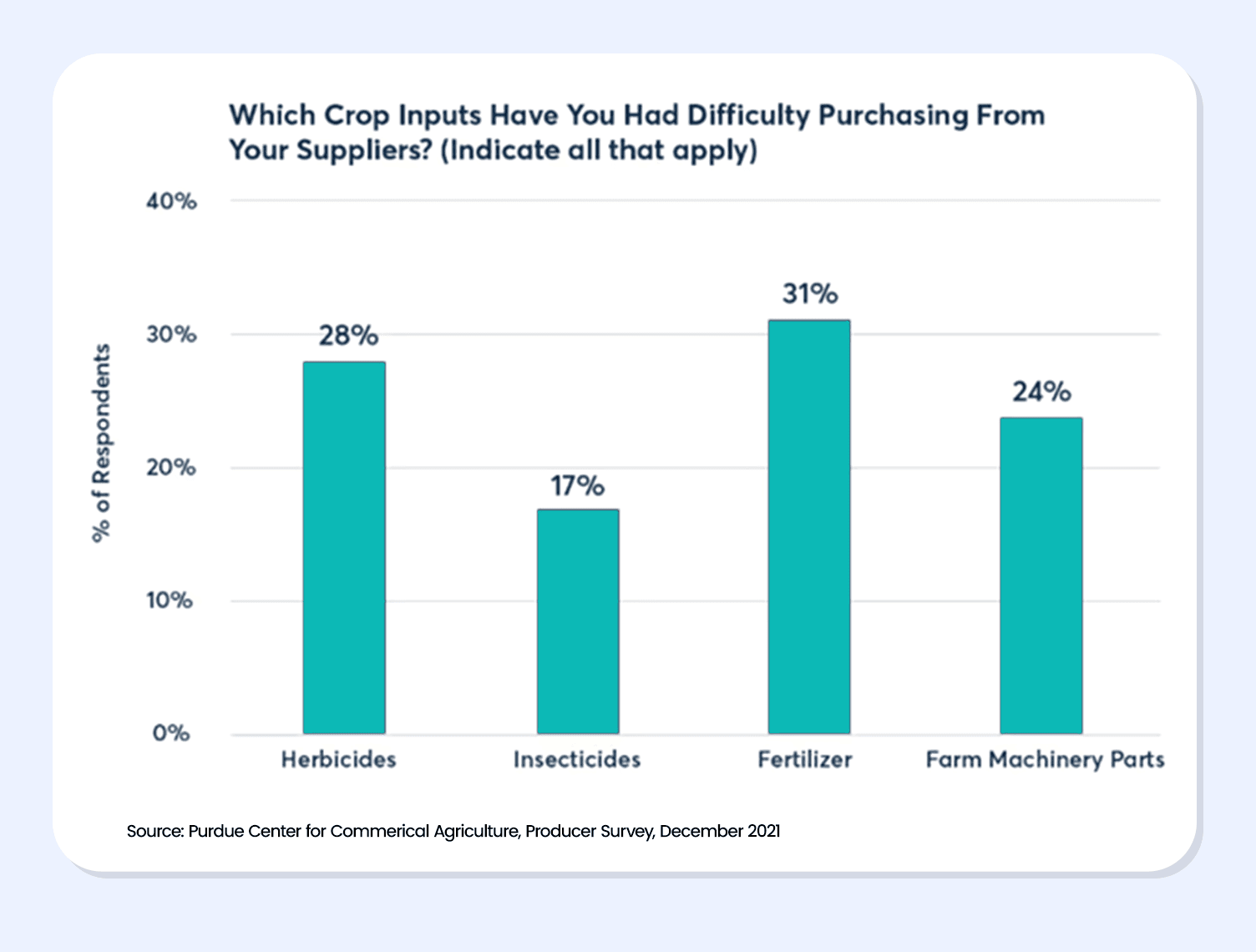
Energy crises shine brightest—post-2021 recovery, Brent crude hit $120/barrel, inflating transport costs and contributing to India's CPI peaking at 7.8%. Food shocks persist: Monsoon failures hiked vegetable prices 30% in 2024, exemplifying oil shock inflation and agricultural hits6.
Effects On Consumers And Businesses
Cost-push inflation erodes purchasing power for consumers while squeezing business profitability, often leading to stagflation where prices rise amid stagnant growth. Households cut back on discretionary spending, and firms resort to layoffs or cost-cutting as margins shrink.
Consumer Impacts- Rising input costs drive up prices for essentials like food and fuel, slashing household purchasing power by 5-10% annually during peaks. Families in import-dependent India face steeper grocery and utility bills, delaying big-ticket purchases like appliances or vehicles. Prolonged episodes erode savings, forcing reliance on debt and curbing long-term investments like education or retirement funds.
Business Challenges-Firms encounter compressed margins—small Indian manufacturers saw 12% profit drops in 2023 from raw material surges—prompting layoffs, reduced capacity, or price hikes that deter customers. Supply chain disruptions amplify operational costs, stalling expansion and innovation.
| Stakeholder | Key Effects | Examples |
| Consumers | Reduced purchasing power, spending cuts | 5-10% grocery bill rise; foregone vacations godigit7 |
| Businesses | Margin erosion, layoffs | 12% profit drop for SMEs; production halts |
| Economy | Stagflation risk | India's 2025 CPI at 0.25% with supply threats |
Source: Independent8
Governments counter with subsidies or rate adjustments, but sustained pressures undermine growth and investor confidence. Understanding these effects sets the stage for contrasting cost-push with demand-pull inflation in the next section.
Cost Push vs Demand Pull Inflation
Imagine demand-pull inflation as a wild party where too many guests swarm the snack table, overwhelming the food supply and sending prices skyrocketing—pure excess demand in action. Cost-push inflation flips the script: a fierce storm blocks deliveries, emptying shelves even with fewer attendees, as skyrocketing production costs choke supply.
Some of these differences are-
| Aspect | Cost Push Inflation | Demand Pull Inflation |
| Trigger | Rising production costs | Excess demand |
| Supply Curve Shift | Leftward (less output) | No shift; demand rightward |
| Economic Growth | Stagnant or recession | Booming initially |
| Policy Fix | Boost supply chains | Tighten money supply |
| India Example | 2022 oil/food shocks | Post-COVID stimulus 2021 |
Source: vedantu9
Cost-push graphs paint a grim picture: the AS curve lurches left, hiking prices while slashing GDP. Demand-pull AD surges right, inflating prices amid expansion. Spotting these drivers sharpens policy precision—supply fixes for storms, demand curbs for parties.
Conclusion
Cost push inflation reminds investors that price rises are not always driven by strong demand. When inflation comes from higher input costs like oil, food, or wages, it squeezes growth and makes equity returns more volatile. In such phases, predictability matters. Fixed income instruments can offer stability by locking in returns that are not directly exposed to short-term cost shocks. Platforms like Grip Invest help investors access curated bond opportunities that can support steady income and portfolio balance during inflationary and stagflationary phases, allowing long-term plans to stay on track despite uncertain economic cycles.
FAQs On Cost Push Inflation
1. What is cost push inflation in simple terms?
Cost push inflation happens when prices rise because production becomes more expensive, due to higher fuel, wages, raw materials, or taxes, not because people are buying more.
2. Why is cost push inflation difficult for central banks to control?
Because it originates from supply-side shocks like oil prices or weather events, raising interest rates cannot easily fix the root cause and may slow growth further.
3. How does cost push inflation affect the Indian economy?
India is vulnerable due to heavy oil imports and agriculture dependence, so fuel shocks or poor monsoons quickly raise food, transport, and household costs.
4. Is cost push inflation always short-term?
Not always. Temporary shocks may fade, but repeated supply disruptions or wage-price spirals can make cost push inflation persistent and lead to stagflation.
References:
1. Fin school, accessed from: https://www.5paisa.com/finschool/finance-dictionary/cost-push-inflation/
2. Bajaj finserv, accessed from: https://www.bajajfinserv.in/cost-push-inflation
3. Geeks for Geeks, accessed from: https://www.geeksforgeeks.org/macroeconomics/cost-push-inflation-meaning-causes-examples-and-measurement/
4. Independent, accessed from: https://www.independent.org/article/2025/06/14/inflation-causes/
5. Vedantu, accessed from: https://www.vedantu.com/commerce/difference-between-demand-pull-and-cost-push-inflation
7. Bajaj finserv, accessed from: https://www.bajajfinserv.in/cost-push-inflation
8. Godigit, accessed from: https://www.godigit.com/life-insurance/financial-planning/inflation/what-is-cost-push-inflation
9. Independent, accessed from: https://www.independent.org/article/2025/06/14/inflation-causes/
10. Vedantu, accessed from: https://www.vedantu.com/commerce/difference-between-demand-pull-and-cost-push-inflation
11. Vedantu, accessed from: https://www.vedantu.com/commerce/difference-between-demand-pull-and-cost-push-inflation
Want to stay at the top of your finances?
Join the community of 4 lakh+ investors and learn more about Grip Invest, the latest financial knick-knacks, and shenanigans in the world of investing.
Happy Investing!
Disclaimer - Investments in debt securities/municipal debt securities/securitised debt instruments are subject to risks including delay and/ or default in payment. Read all the offer related documents carefully. The investor is requested to take into consideration all the risk factors before the commencement of trading.
This communication is prepared by Grip Broking Private Limited (bearing SEBI Registration No. INZ000312836 and NSE ID 90319) and/or its affiliate/ group company(ies) (together referred to as “Grip”) and the contents of this disclaimer are applicable to this document and any and all written or oral communication(s) made by Grip or its directors, employees, associates, representatives and agents. This communication does not constitute advice relating to investing or otherwise dealing in securities and is not an offer or solicitation for the purchase or sale of any securities. Grip does not guarantee or assure any return on investments and accepts no liability for consequences of any actions taken based on the information provided. For more details, please visit www.gripinvest.in
Registered Address - 106, II F, New Asiatic Building, H Block, Connaught Place, New Delhi 110001


