

Debit Card Pin Generation In India: Step-By-Step Guide, Safety Tips, And RBI Rules (2026)


Introduction: Why Pin Generation Matters
Your first PIN is not just a number; it is often the first security decision you make in your personal finance journey. In India, there are about 97-99 crore active debit cards, which means millions of people begin their money management experience by generating a PIN and learning to protect it. With RBI mandating EMV chip-and-PIN cards from 2019, secure PIN usage has become a non-negotiable part of day-to-day banking1.
At the same time, the way this PIN is created has gone fully digital. Mobile and internet banking have exploded, with more than half of users now relying on apps as their primary banking channel and branch usage dropping sharply compared to pre-2020 levels. This shift means PIN generation, which once required an ATM or branch visit, is now commonly done online in a few taps2.
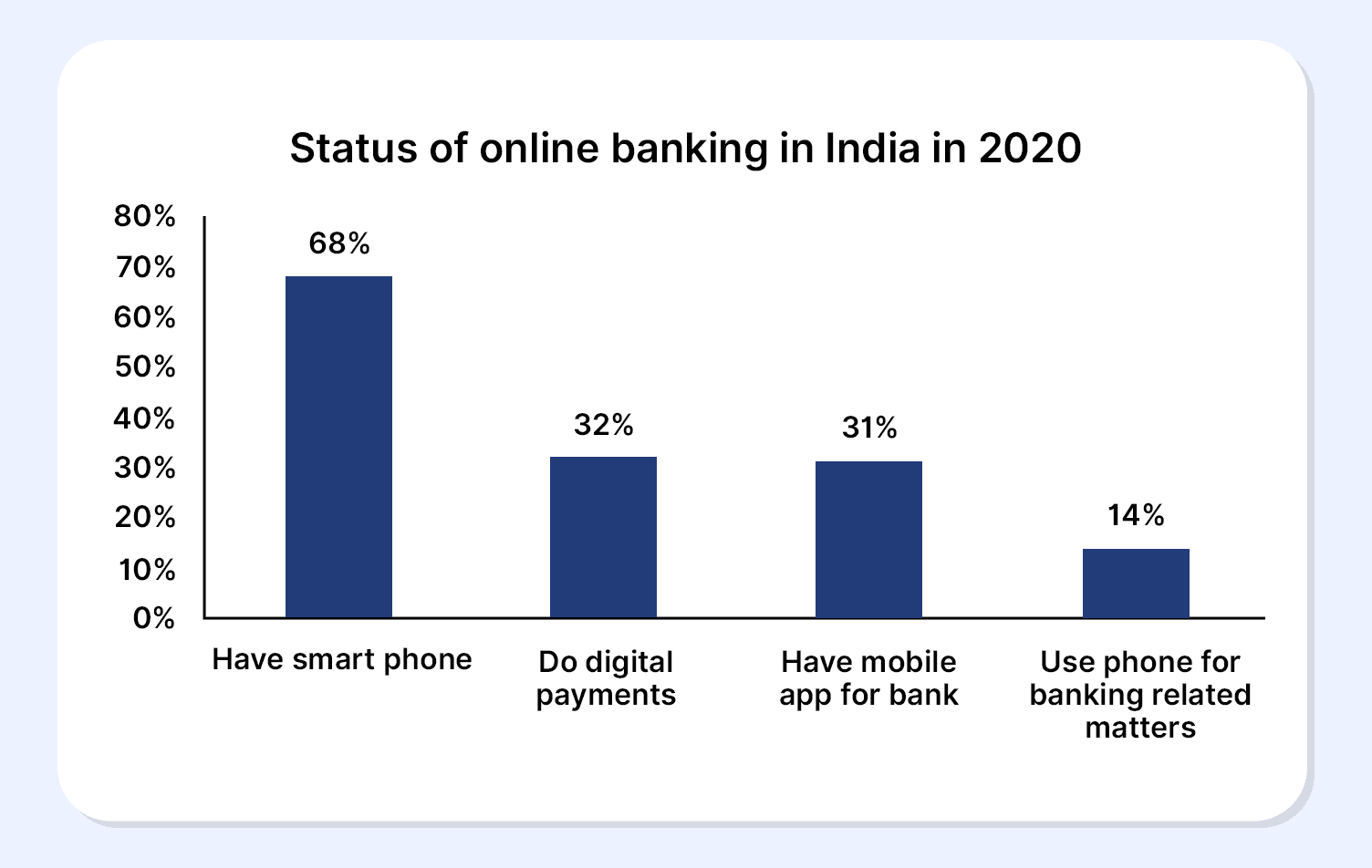
This simple act of securely generating and safeguarding a PIN builds the same mindset needed for safe investing. India’s digital payments have grown over six times in volume in just five years, making security habits more critical than ever. Treating your card and PIN with discipline becomes the foundation for protecting larger assets and investments later. To understand how this works in practice, let’s explore what a debit card PIN really is and why it matters in the next section.
What Is A Debit Card Pin And Why It Matters
Imagine your debit card as a vault holding your hard-earned money, your PIN is the unbreakable lock that keeps intruders out. Technically, a debit card PIN (Personal Identification Number) is a secret 4-digit code you create to authorize transactions, whether withdrawing cash at an ATM, swiping for purchases, or tapping for contactless payments. it is not just random digits; it is your personalized shield against fraud, mandated by banks and RBI guidelines to ensure only you control your funds3.
Why Does It Matter So Much?
In a world where cyber threats lurk everywhere, a strong PIN prevents unauthorized access, think shoulder-surfing at ATMs or phishing scams online. Weak PINs like "1234" or birthdays are cracked in seconds, leading to devastating losses; stats show millions of fraud cases annually tied to poor security habits. For investors, it is even bigger: linking your bank to trading apps or mutual fund SIPs means one breach could wipe out your portfolio before you blink4.
Mastering your PIN is not optional—it is the bedrock of trust in digital finance. Get it right, and you're building investor-grade discipline from day one. Eager to unlock the easiest ways to generate yours Dive into our step-by-step guide next!
Ways To Generate A Debit Card Pin (Step By Step)
Ready to take control? Generating your debit card PIN is straightforward and secure, with multiple options tailored to your convenience. Whether you're tech-savvy or prefer traditional methods, here's how to do it right.
First, gather what you need before generating a PIN: your physical debit card, registered mobile number for OTP verification, and account details. Avoid obvious codes like birthdays or "1234"—opt for a random mix of numbers instead.
1. Generate PIN Through ATM
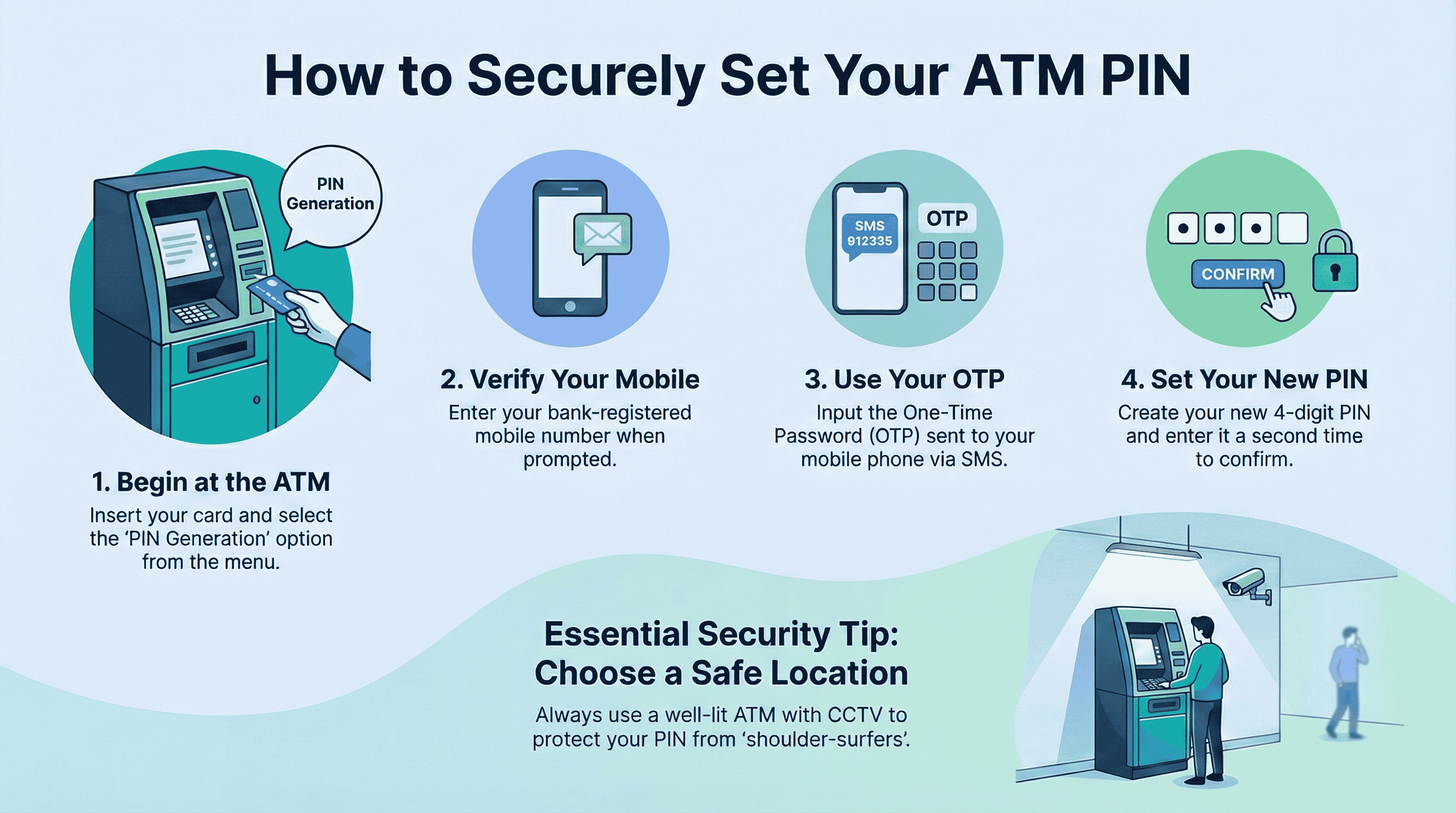
Head to your bank's ATM with your debit card inserted. Select "PIN Generation" or "New PIN" from the menu. Enter your registered mobile number, confirm the OTP sent via SMS, then set your 4-digit PIN twice for verification. It is instant, but choose a well-lit, CCTV-equipped machine to dodge shoulder-surfers.
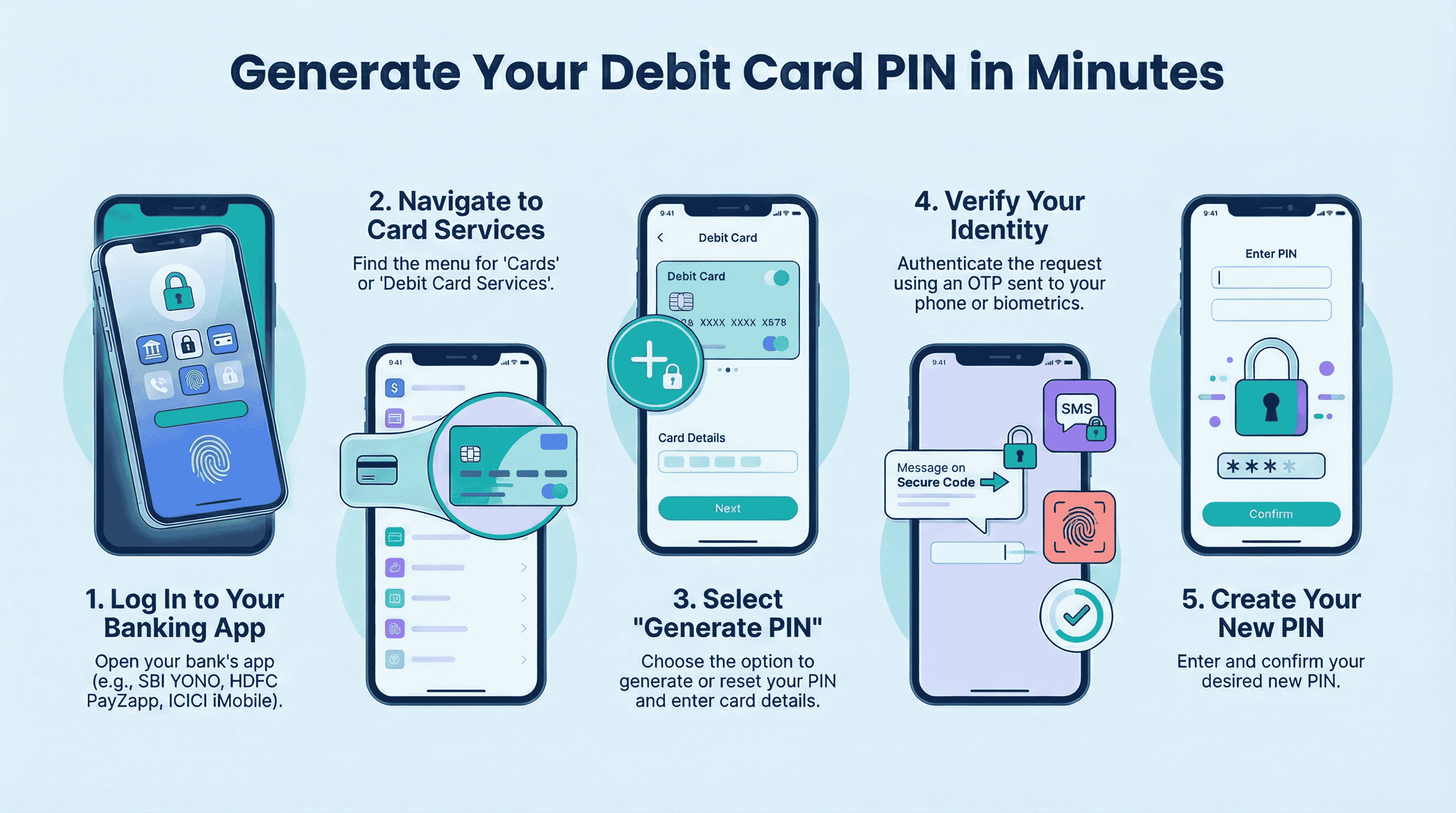
2. Generate PIN Through Mobile Banking App
Open your bank's app (like SBI YONO, HDFC PayZapp, or ICICI iMobile). Log in, navigate to "Cards" > "Debit Card Services" > "Generate/Reset PIN." Enter your card details, verify with OTP or biometrics, and create your new PIN. This digital shift aligns with India's boom—over 99 crore debit cards now thrive on app-based security, making it faster than ever5.
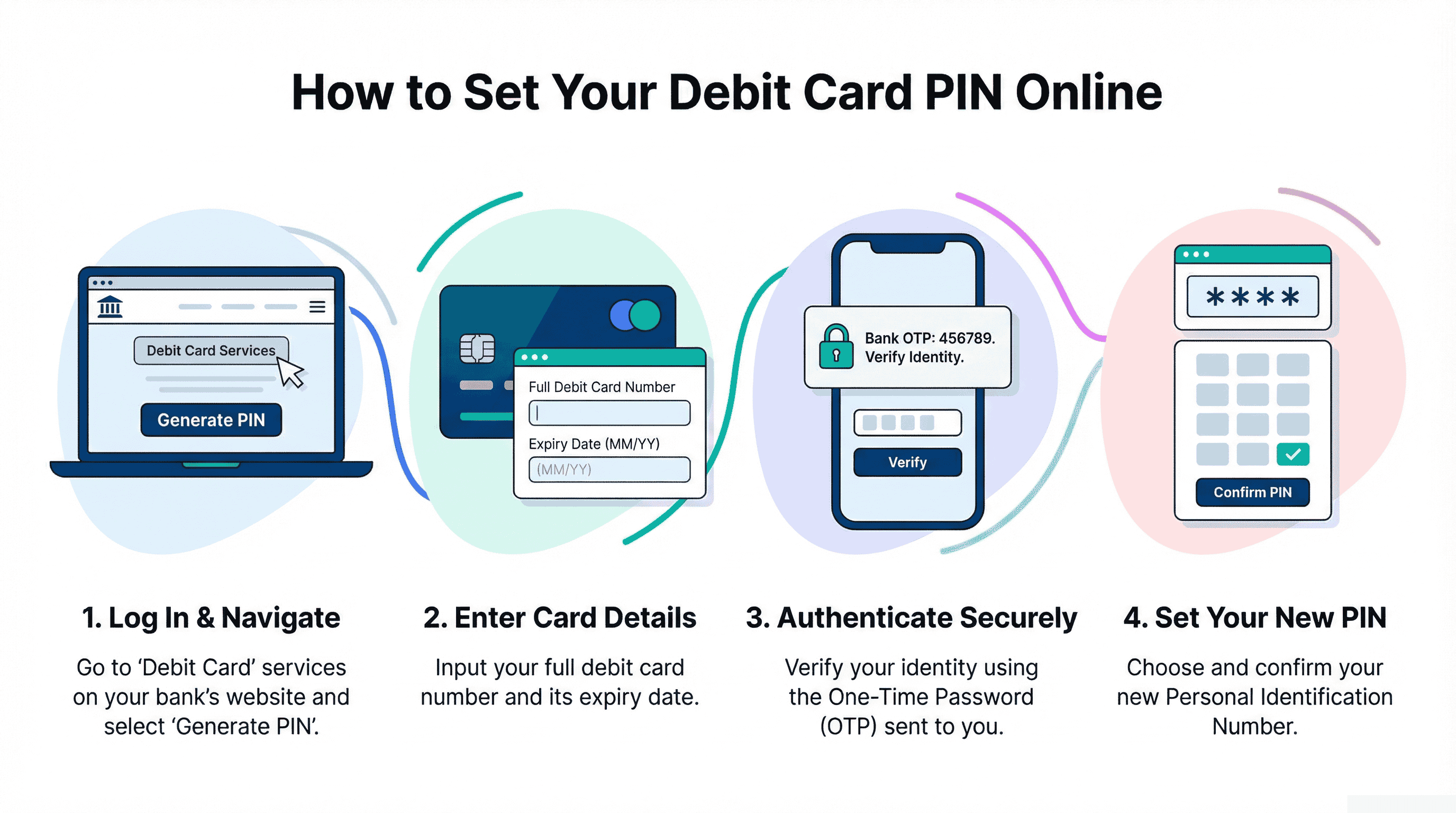
3. Generate PIN Through Net Banking
Log into your bank's website, go to "Debit Card" services, and select "Generate PIN." Input card number and expiry, authenticate via OTP, then set your PIN. it is perfect for desk warriors, reflecting how more than half of users now bank digitally over branches.
These methods build on the secure habits from your PIN's foundation. With digital payments surging sixfold in volume, picking the right way keeps your investor journey fraud-proof. Now, arm yourself with essential safety tips to set your PIN like a pro—head to the next section!
Safety Tips For Investors While Setting A Debit Card Pin
Security starts with smarts, especially when your debit card links to investments like mutual funds or trading accounts. Follow these investor-focused tips to set your PIN without regrets, shielding your portfolio from the ground up.
| Safety Tip | Why It Matters | Quick Action |
| Choose a Strong, Unique PIN | Predictable codes like "1234" or birthdates crack 20% of attempts ? | Mix random high/low digits (e.g., 7-3-9-1); never reuse across cards |
| Shield Your Screen at ATMs | Blocks shoulder-surfers in crowded spots | Use body as barrier; pick lit, CCTV areas—avoid isolated machines |
| Verify OTP Privately | Phishers exploit shared OTPs in 30% of frauds | Ensure no peeks during app/net banking; prefer biometrics |
| Log Out & Lock Up Card | Prevents session hijacks and digital skimming | Immediate logout post-setup; use RFID-blocking wallet |
| Monitor with Alerts | Early detection saved crores in 2024 frauds ? | Enable SMS alerts; review statements weekly |
Source: Mondaq4
These habits extend beyond cards to protect portfolios from market risks. With India's 99 crore+ debit cards powering investments, vigilance ensures your financial future stays secure. Stay sharp, invest boldly!
Why Debit Card Security Matters For Investors
For investors, your debit card is not just for daily spends, it is the gateway to your financial empire. Linking it to trading apps, mutual fund SIPs, or stock brokers means one security lapse could trigger unauthorized transfers, draining your portfolio in minutes. In India's booming digital economy, with over 99 crore debit cards active, weak security exposes you to sophisticated threats like SIM swaps or malware that reroute funds to fraudsters.
Picture this: a compromised PIN lets hackers buy risky stocks or redeem units from your retirement corpus, amplifying losses during market dips. RBI data highlights debit card frauds costing crores annually, often hitting novice investors hardest as they scale up from savings to equities. Beyond money, it erodes trust, delayed recoveries tie up capital you need for opportunities like IPOs or arbitrage funds.
Strong PIN habits foster investor discipline: just as you diversify assets, secure your card diversifies risks. With digital payments exploding sixfold, treating your debit card like a high-stakes investment position safeguards wealth-building. Prioritize security, and your portfolio thrives unhindered.
Conclusion
You now have a clear roadmap for debit card PIN generation, whether through an ATM, mobile banking app, or net banking. In India’s fast-growing digital finance ecosystem, where debit cards are used for everything from SIP payments to online investments, your PIN is a critical layer of financial security. Learning how to generate or reset a debit card PIN online in India is not just about convenience, it is a foundational step in protecting your money and maintaining strong financial discipline.
A weak or poorly protected PIN can expose your savings and investments to fraud, undoing years of careful planning. By following secure PIN practices, staying compliant with RBI EMV guidelines, and regularly reviewing your banking security, you turn everyday banking actions into long-term wealth protection habits. Whether you are creating a PIN for the first time or resetting a forgotten one, treating security as seriously as your portfolio decisions is essential.
Once your banking foundation is secure, you can focus on growing your money with confidence. Platforms like Grip Invest help investors move beyond basic savings by offering access to curated, transparent fixed-income opportunities that support stable, long-term wealth creation.
FAQs on Debit Card PIN Generation
1. Why is my debit card PIN not getting activated?
Common reasons include an unregistered or inactive mobile number for OTP delivery, expired temporary "Green PIN" (valid 24-72 hours in banks like PNB or SBI), or mismatched card details during setup. Cards unactivated within 30 days may auto-deactivate per RBI rules, requiring branch visit or reissue. Double-check network signal, retry OTP, or contact bank support to resolve.
2. How fast does debit card PIN activation happen?
Instant for ATM or app methods—PIN generates in seconds post-OTP verification. Green PIN processes (SMS OTP) take 1-2 minutes, usable immediately or within 24-72 hours depending on bank policy. Net banking mirrors this speed, though peak hours may add minor delays; full usability follows confirmation SMS.
3. Are online PIN generation methods safe?
Yes, RBI-mandated multi-factor authentication (OTP, biometrics) makes app/net banking secure, with no PIN sharing required online. Banks encrypt sessions and limit fraud liability; however, use official apps, avoid public Wi-Fi, and enable alerts to counter phishing. Safer than ATMs for privacy, aligning with India's digital payment surge.
References:
1. World line, accessed from: https://worldline.com/content/dam/worldline/local/en-in/documents/main-page11111/Worldline-India-Digital-Payments-Report-2H-2024.pdf
2. Mondaq, accessed form: https://www.mondaq.com/india/financial-services/1586684/the-adopting-trend-of-digital-banking-services-post-2023-a-study-of-change-in-behavior-of-the-customers
3.RBI, accessed from: https://rbi.org.in/scripts/PublicationsView.aspx?Id=23127
4. ET edge, accessed from: https://etedge-insights.com/industry/bfsi/indias-financial-shift-credit-cards-double-debit-cards-stabilize-over-five-years-rbi-report/
Want to stay at the top of your finances?
Join the community of 4 lakh+ investors and learn more about Grip Invest, the latest financial knick-knacks, and shenanigans in the world of investing.
Happy Investing!
Disclaimer - Investments in debt securities/municipal debt securities/securitised debt instruments are subject to risks including delay and/ or default in payment. Read all the offer related documents carefully. The investor is requested to take into consideration all the risk factors before the commencement of trading.
This communication is prepared by Grip Broking Private Limited (bearing SEBI Registration No. INZ000312836 and NSE ID 90319) and/or its affiliate/ group company(ies) (together referred to as “Grip”) and the contents of this disclaimer are applicable to this document and any and all written or oral communication(s) made by Grip or its directors, employees, associates, representatives and agents. This communication does not constitute advice relating to investing or otherwise dealing in securities and is not an offer or solicitation for the purchase or sale of any securities. Grip does not guarantee or assure any return on investments and accepts no liability for consequences of any actions taken based on the information provided. For more details, please visit www.gripinvest.in
Registered Address - 106, II F, New Asiatic Building, H Block, Connaught Place, New Delhi 110001


