

Drawdown In Investment: What It Means And Why Investors Should Track


Every investment comes with growth and decline as the market moves up and down. And sometimes the sudden drop in the market can reduce the portfolio value faster than you expected. Market volatility is a normal part of investing, but it can be risky if you are not prepared for it.
This is why it is important to understand the drawdown in investment. It helps investors like you to see how much the investment can fall during the tough market conditions. By understanding drawdown in investment, you can know the risks and make better decisions when the market declines.
What Is Drawdown In Investing?
A drawdown in investment means the value of any investment drops from its highest point to its lowest point over a specific time period. In simple words, it shows how much you have lost during a market decline, but this is not a final profit or loss value.
Drawdown formula in investing.
1. Simple Explanation
- Peak Value = Highest value of your investment
- Trough Value = Lowest value after the peak
- The result shows the percentage loss from the top.
Example - Peak = INR 15 lakh
- Trough = INR 12 lakh
Drawdown = (15 - 12) / 15 × 100 = 20%
There are three types of Drawdown.
2. Maximum Drawdown
Maximum drawdown means the biggest drop in your investment value from the highest to the lowest during a specific time. It shows the maximum loss an investor can face during the investment.
3. Average Drawdown
The average decline from peak to trough over a period of time is the average drawdown. It helps you understand how often a portfolio can drop and the usual size of declines. It provides a more balanced view of all regular losses.
4. Recovery Time
Recovery time means the time it takes for any investment to recover and reach its highest peak point again. Shorter recovery time shows growth, and longer recovery time shows risk.
How Drawdowns Affect Portfolio Recovery?
Drawdowns have a direct effect on how fast and easily your portfolio will recover. The deeper the loss, the longer the recovery time it will take. Even the small losses can take time to recover and return to their previous peak.
1. Loss vs Recovery Math
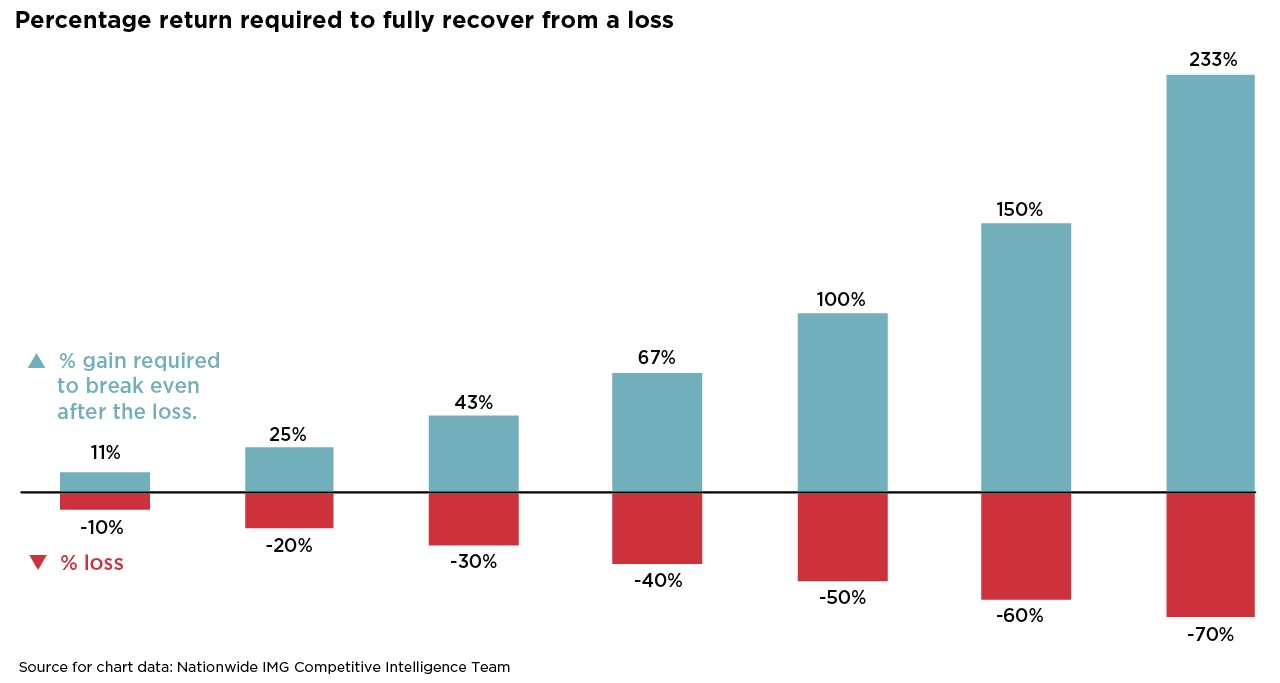
Loss and recovery are not equal after the drawdown. It will need a higher percentage gain to recover to its original price. For example, if the drawdown was 10% than the portfolio needs 11% gain. This is because the recovery starts from a lower value, which makes the gains less effective.
2. Why Larger Drawdowns Take Longer To Recover
The larger drawdowns are longer to recover because when the investment falls significantly, it can take months or even years to reach its previous level. The recovery is difficult with a high risk. Bigger losses will slow down recovery and can impact your long-term financial goal.
3. Historical Examples Of Market Drawdowns
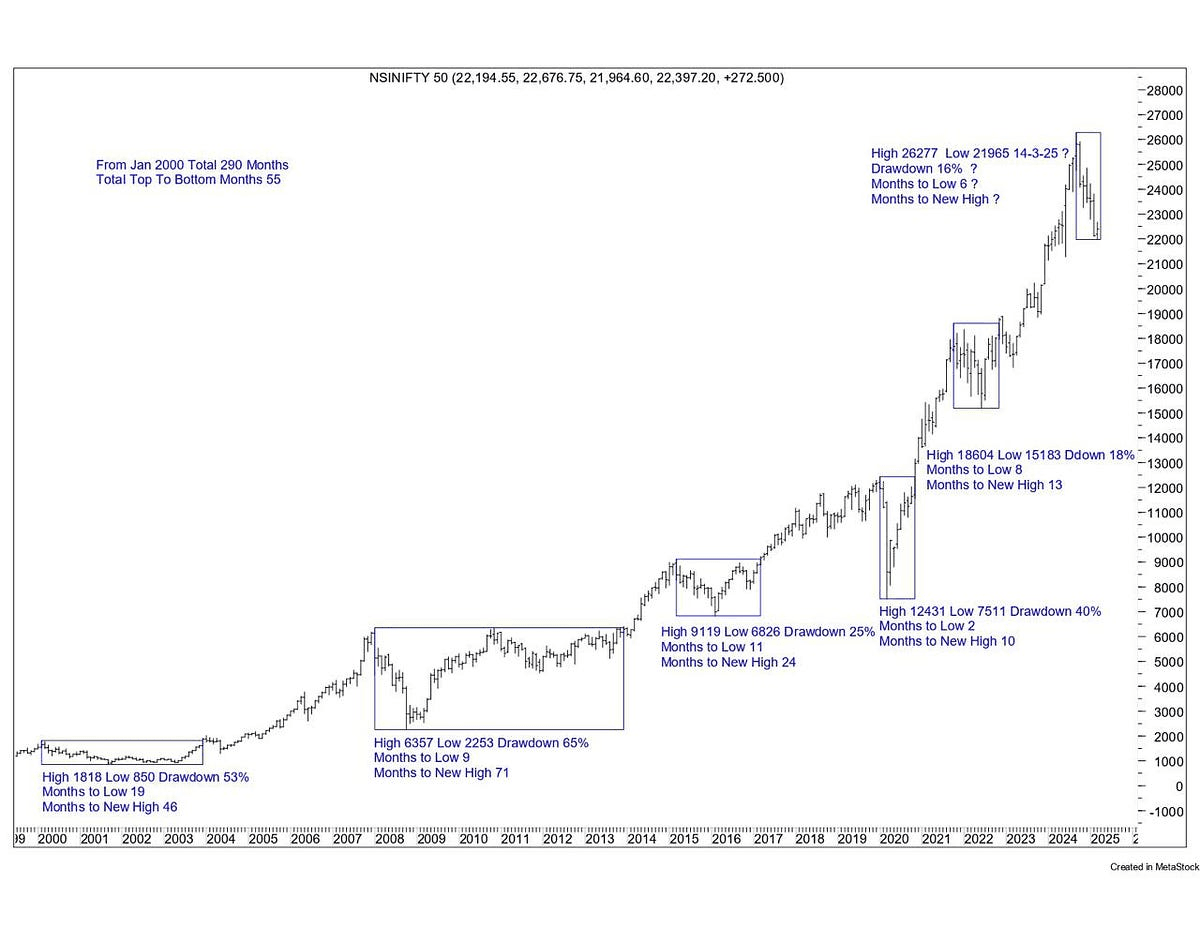
Market history shows that bro downs are normal and also unavoidable. They have happened many times in the past, both globally and in India. Looking at these examples will help you understand how big the folk can be and how the market recovers over time.
4. Global Financial Crisis
The 2008 financial crisis was the biggest market crash in the world. It started in the US due to problems in the banking system, and soon after, it affected the Global market. The S&P 500 index fell by around 46% from its peak. This caused panic in selling and caused losses for investors across countries.
5. Market Crashes In India
The Indian market crash has happened many times due to both global and local reasons. In 2020, during covid 19, the market dropped around 38% in a very short time. Earlier in 1992, the Harshad Mehta scam also caused a fall in the stock prices. In 2008, the Sensex fell by more than 50% due to the global crisis in India.
Strategies To Manage Drawdown Risk
Managing drawdown risk is about reducing the loss in investment. It also allows you to keep your portfolio stable during market falls. The right strategies can help you protect your investment and recover faster.
1. Diversification Across Asset Classes
Diversification means spreading the money across different asset classes like equity, debt, and other investment types. This can reduce the risk of a fall in any one investment. If one asset faces loss, the other one can perform better or be stable.
Portfolio Allocation Strategies
Proper asset allocation is the key to managing any drawdown risk. You can decide how much to invest in different assets based on the risk involved and your financial group. A balanced portfolio with the right mix of high-risk and low-risk investments can reduce larger losses during market volatility.
2. Importance of Stable Income-Generating Investments
You can also invest in bonds and fixed-income investments that are stable, income-generating investments. These types of stable income can help reduce risk in your portfolios. These incomes do not give any higher returns, but they are a consistent income source.
Conclusion
Drawdown is an important aspect for any investor to understand the risk involved in investments. It shows you the real downside risk of your portfolio. The returns tell you how much you will earn. It helps you build stronger, stable portfolios and be prepared for the market downfall.
If you are planning to make any type of investment, then visit Grip Invest. Platforms like Grip Invest are investor-focused platforms with a wide range of investment options. It allows you to choose investments based on your comfort and financial goals.
FAQs
1. What is drawdown in investing?
Drawdown in investing means the value of any investment declining from its peak value to the lowest value before the recovery.
2. What is maximum drawdown?
Maximum drawdown is the largest decline value from peak to trough over a specific period of time. This shows the worst loss the investor has to experience.
3. How can investors reduce portfolio drawdown?
You can reduce the portfolio drawdown by diversifying the investment, managing position size, using stop loss strategies and staying calm during market volatility.
 |
Author: Grip Invest Editorial Team The Grip Invest Editorial Team is a group of Chartered Accountants, MBA (Finance) graduates, and Qualified Research Analysts dedicated to helping you invest smarter. We dive deep into India's fixed income landscape to deliver content that is accurate, up-to-date, and easy to understand. Whether you're exploring bonds, fixed deposits, or other fixed income opportunities, our guides cut through the noise and give you the clarity to make better financial decisions. |
Want to stay at the top of your finances?
Join the community of 4 lakh+ investors and learn more about Grip Invest, the latest financial knick-knacks, and shenanigans in the world of investing.
Happy Investing!
Disclaimer - Investments in debt securities/municipal debt securities/securitised debt instruments are subject to risks including delay and/ or default in payment. Read all the offer related documents carefully. The investor is requested to take into consideration all the risk factors before the commencement of trading.
This communication is prepared by Grip Broking Private Limited (bearing SEBI Registration No. INZ000312836 and NSE ID 90319) and/or its affiliate/ group company(ies) (together referred to as “Grip”) and the contents of this disclaimer are applicable to this document and any and all written or oral communication(s) made by Grip or its directors, employees, associates, representatives and agents. This communication does not constitute advice relating to investing or otherwise dealing in securities and is not an offer or solicitation for the purchase or sale of any securities. Grip does not guarantee or assure any return on investments and accepts no liability for consequences of any actions taken based on the information provided. For more details, please visit www.gripinvest.in
Registered Address - 106, II F, New Asiatic Building, H Block, Connaught Place, New Delhi 110001


