

Essential Commodities Act Explained: Why The Government Invoked It During The LPG Shortage


The Iran-Israel-US war has entered its second week, and there is no breakthrough in terms of negotiations. The Israel–US alliance has been attacking strategic locations in Iran.
On the other hand, Iran has targeted US bases, consulates, and data centres across the Middle East, including Dubai, Abu Dhabi, and Doha, while continuing its attacks on Israel.
Besides this, Iran has restricted the movement of cargo ships from the Strait of Hormuz, which it controls. Around 20% of the world’s oil supply passes through this route1.
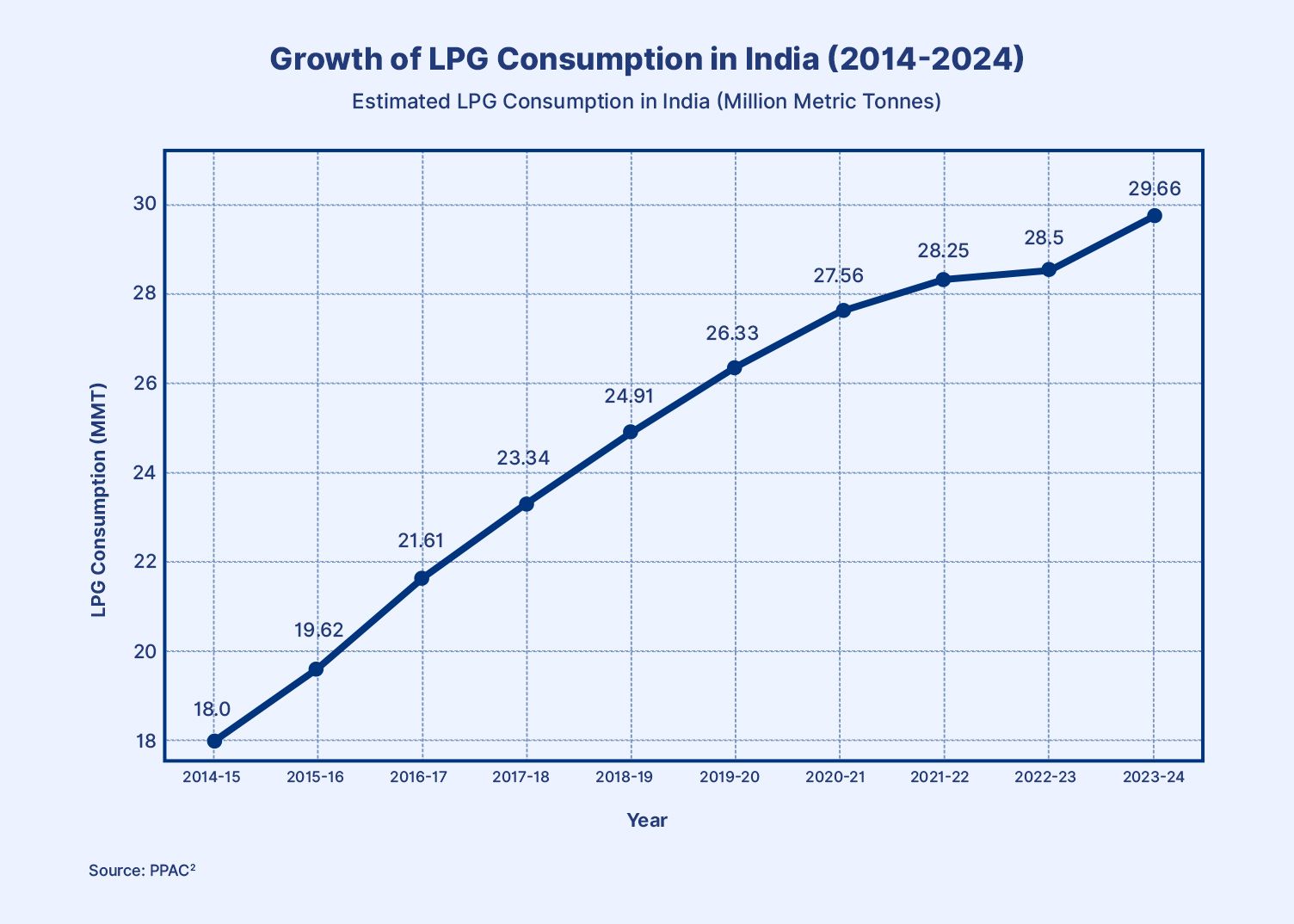
This massive disruption can result in acute fuel shortages in different parts of the world, including India, which imports around 80% of its energy needs, a large portion of which from Iran. As one of the fastest-growing economies, India cannot afford a shutdown of critical sectors such as hotels and restaurants due to an LPG shortage.
This is why the Government of India has recently invoked the Essential Commodities Act to prevent hoarding, stabilise distribution, and ensure that households continue to receive an uninterrupted fuel supply.
What Is The Essential Commodities Act And Why The Government Invoked It?
What Is the Essential Commodities Act?
Essential Commodities Act Explained: The Essential Commodities Act, 1955, is a key piece of legislation that allows the Indian government to regulate the production, supply, and distribution of certain goods deemed essential for daily life. The law was introduced to prevent shortages, control price spikes, and stop hoarding or black marketing of critical commodities.
The government can introduce control measures such as stock limits, supply monitoring, and distribution controls. This is particularly critical in situations where essential goods risk becoming excessively expensive or scarce. The government has invoked this act in the past by including essential commodities such as food grains, edible oils, fertilisers, petroleum products, and cooking fuels.
Why the Government Invoked It During the LPG Shortage
India imports almost 80% of its energy resources, and Iran is one of its largest petroleum trading partners. Hence, any disruption to international supply chains, particularly in the Strait of Hormuz, can directly affect the availability of LPG and other petroleum-related fuels in India.
Even though the oil companies maintain a certain buffer, given the high level of consumption, any prolonged issue in the supply chain can affect domestic distribution and supply, especially in remote areas.
As both domestic and commercial operations can be seriously affected by shortages of cooking fuels like LPG, it is critical that the government takes proactive steps.
The government invoked the Essential Commodities Act to address the LPG shortage and issued directives to safeguard LPG availability. These measures included closely monitoring distribution networks, preventing distributors from stockpiling, and ensuring priority supply to household consumers. Authorities also directed refineries to maximise LPG output by, where possible, diverting propane and butane streams.
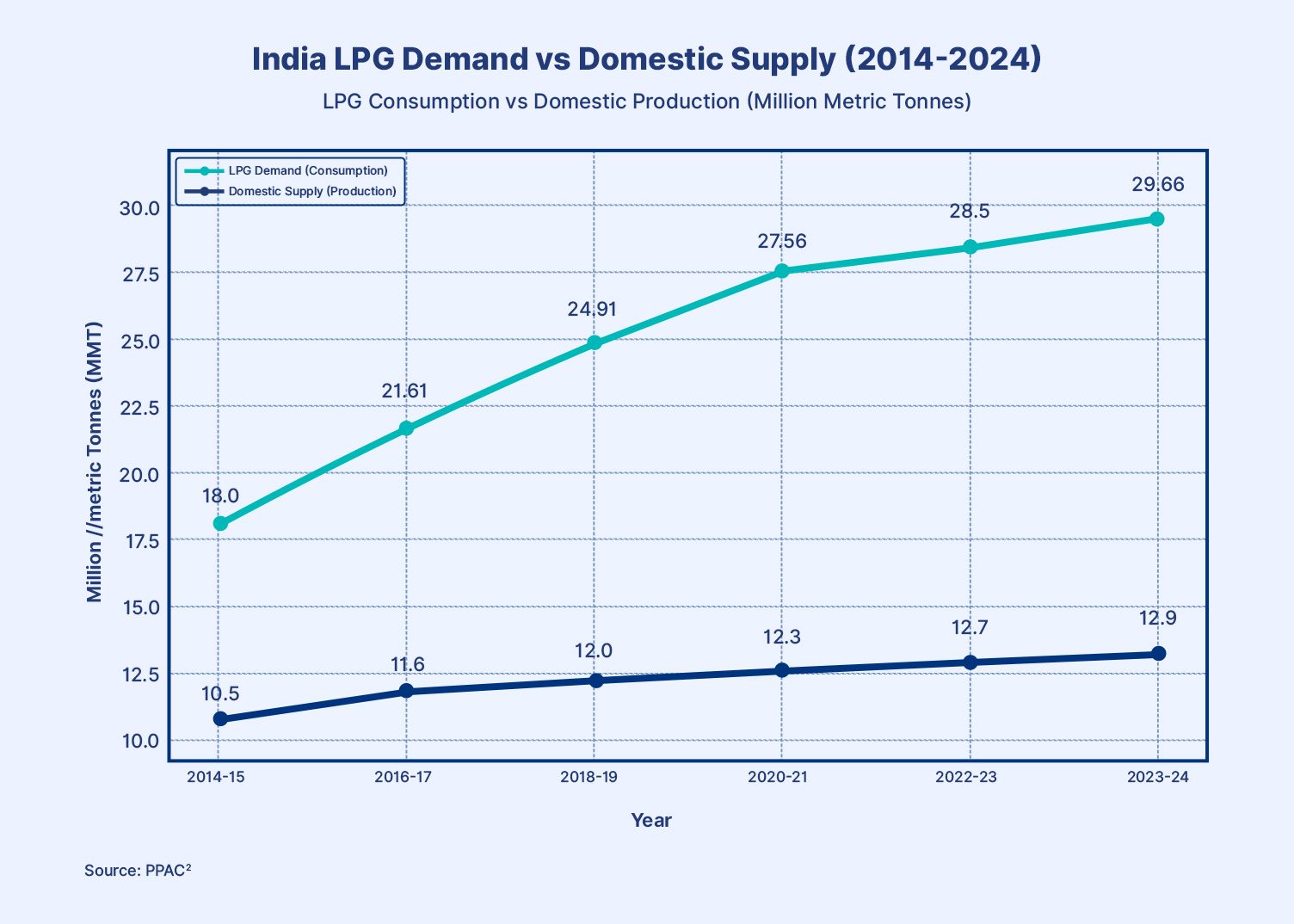
As illustrated in the chart above, there is a critical difference between LPG consumption and domestically supplied LPG in India. As the Iran-Israel-US war continues, there can be a major supply gap in India, and hence, the proactive steps taken by the Indian government are necessary.
Impact On Consumers And Energy Markets
The decision to invoke the Essential Commodities Act can have a positive impact on consumers and on energy markets as a whole. First, for the households, the primary objective of invoking the Act is to ensure the continued availability of LPG cylinders.
Cooking gas remains the primary household fuel for millions of Indian families, particularly after the expansion of LPG access through government initiatives such as the Pradhan Mantri Ujjwala Yojana. As a large population depends on LPG as the primary cooking fuel, the government should ensure there are no disruptions in supply.
However, the disruption in supply can affect core sectors, including commercial LPG users such as restaurants, hotels, and catering businesses. The government invoking the Essential Commodities Act would ensure that waiting periods are not excessively long, and that any efforts by black marketeers to profit from the existing situation are severely dealt with.
Energy markets also react to such disruptions. Oil marketing companies responsible for LPG distribution must adjust supply chains, increase imports where possible, and coordinate with refineries to boost production. These adjustments can increase operational costs and add pressure on subsidy mechanisms that support household LPG pricing.
In the short term, policy intervention helps stabilise supply. But it also highlights the vulnerability of energy markets to geopolitical risks and global commodity price fluctuations.
What Investors Should Watch
This is an interesting phase for the investors. Ever since the war began, there has been a significant impact on the stock market volatility.
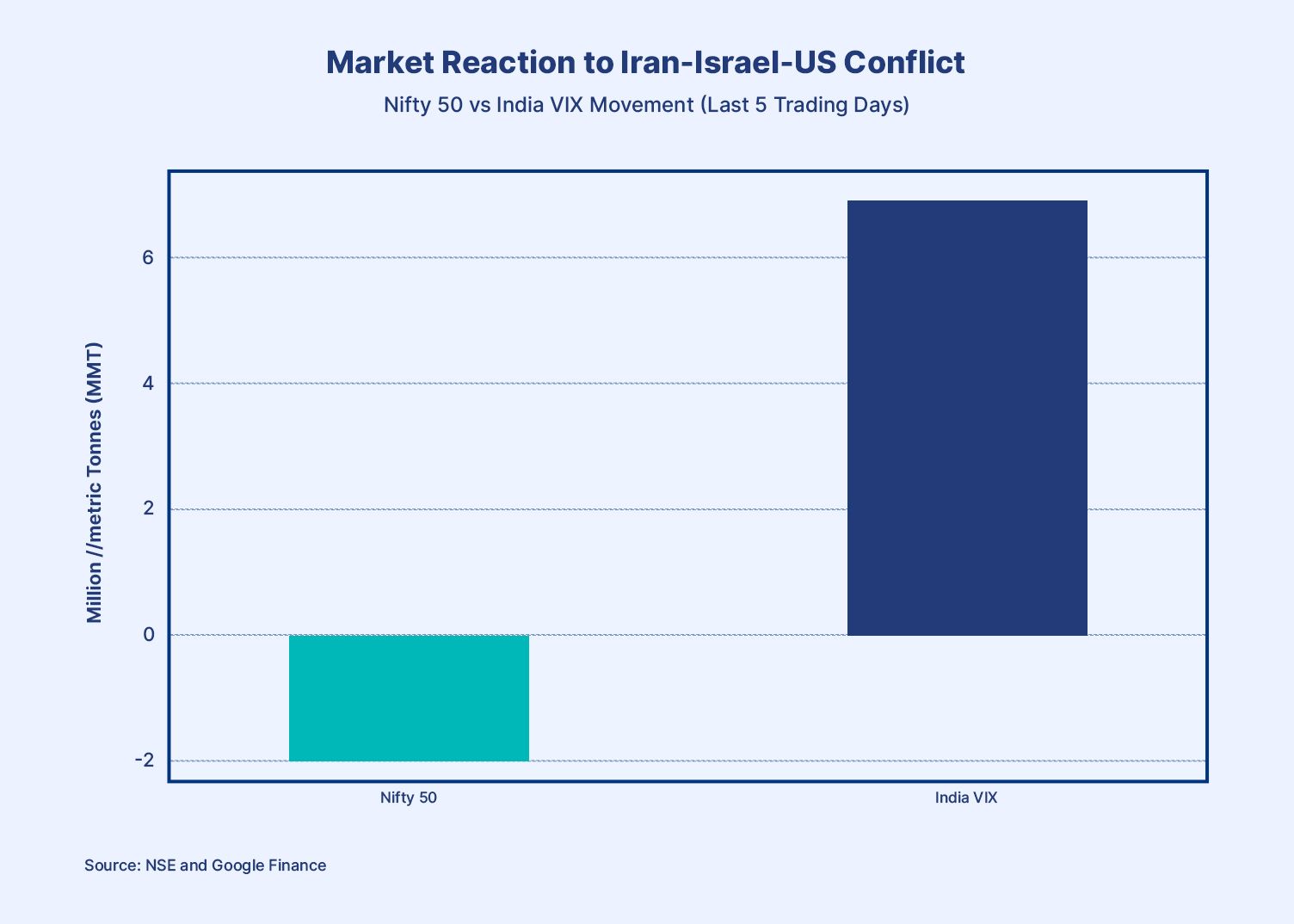
The Nifty 50 has fallen by 2.25%, and the VIX India index (which measures market volatility) has risen by 6.77% over the past 5 days. The inherent nature of the equities market, which is largely dependent on the global factors and geopolitical affairs, is once again depicted.
It is a critical time for investors to consider diversifying their portfolios and choosing high-yield, low-risk fixed-income instruments, such as corporate bonds. A reshuffle shall be critical in ensuring that the long-term financial goals are attained.
Investors can check out the Grip Invest to find out the best fixed-income securities that can be an excellent addition to their portfolio. Additionally, movements in crude oil and LPG benchmark prices often impact domestic fuel costs and inflation. Monitoring these factors helps investors understand how energy supply shocks can affect economic conditions and financial markets.
Conclusion
In simple terms, the Essential Commodities Act allows the Indian government to regulate the supply, pricing, and distribution of critical goods during shortages or market disruptions. In the case of the recent LPG supply concerns, invoking the Essential Commodities Act helps prevent hoarding, stabilise distribution, and ensure that households continue to receive essential cooking fuel.
FAQs On Essential Commodities Act 2026
1. What is the Essential Commodities Act, 1955?
The Essential Commodities Act, 1955, is a law that allows the Indian government to regulate the production, supply, distribution, and pricing of essential goods to ensure their availability to consumers at fair prices. It also empowers authorities to prevent hoarding, black marketing, and artificial shortages of critical commodities such as food items, fuel, and fertilisers.
2. Why did the government invoke the Essential Commodities Act for LPG?
The government invoked the Act to ensure an uninterrupted LPG supply during global energy disruptions caused by geopolitical tensions in the Middle East. The move helps authorities prevent hoarding, regulate distribution, and prioritise household access to cooking gas.
3. What powers does the government have under the Act?
Under the Essential Commodities Act, the government can impose stock limits, regulate supply and distribution, control prices, and take action against hoarding or black marketing to maintain market stability and ensure adequate availability of essential goods.
References
1. EIA, accessed from: https://www.eia.gov/todayinenergy/detail.php?id=65504
2. PPAC, accessed from: https://ppac.gov.in/
3. PPAC, accessed from: https://ppac.gov.in/consumption/products-wise
Want to stay at the top of your finances?
Join the community of 4 lakh+ investors and learn more about Grip Invest, the latest financial knick-knacks, and shenanigans in the world of investing.
Happy Investing!
Disclaimer - Investments in debt securities/municipal debt securities/securitised debt instruments are subject to risks including delay and/ or default in payment. Read all the offer related documents carefully. The investor is requested to take into consideration all the risk factors before the commencement of trading.
This communication is prepared by Grip Broking Private Limited (bearing SEBI Registration No. INZ000312836 and NSE ID 90319) and/or its affiliate/ group company(ies) (together referred to as “Grip”) and the contents of this disclaimer are applicable to this document and any and all written or oral communication(s) made by Grip or its directors, employees, associates, representatives and agents. This communication does not constitute advice relating to investing or otherwise dealing in securities and is not an offer or solicitation for the purchase or sale of any securities. Grip does not guarantee or assure any return on investments and accepts no liability for consequences of any actions taken based on the information provided. For more details, please visit www.gripinvest.in
Registered Address - 106, II F, New Asiatic Building, H Block, Connaught Place, New Delhi 110001


