

SEBI Mandates NISM Certification For AIF Compliance Officers: What It Means For The AIF Ecosystem


Introduction — SEBI Tightens AIF Compliance Standards
The Securities and Exchange Board of India, SEBI, is tightening compliance standards for Alternative Investment Funds- AIFs, with a sharper focus on governance and oversight across fund managers and schemes.
A key change is the SEBI NISM certification for AIF compliance officers. It signals that SEBI wants clearer accountability, stronger day-to-day controls, and fewer gaps in how AIFs meet regulatory duties. This blog explains what changes, who it applies to, and how AIFs can prepare without disruption.
What Has SEBI Mandated?
In its circular HO/19/(8)2025-AFD-POD1/I/1266/2025 dated 30 December 2025, titled Certification requirement for Compliance Officers of Managers of AIFs, SEBI has set a new eligibility bar for the compliance officer role1.
The mandate builds on existing AIF Regulations that already require every AIF manager to appoint a compliance officer and keep regulatory compliance under watch.
Key requirements
- The compliance officer of an AIF manager must clear the NISM Series-III-C certification exam, named Securities Intermediaries Compliance (Fund) Certification Examination
- From 1 January 2027, only individuals with this certification can be appointed or continue as a compliance officer
- AIF trustees, sponsors, and managers must record this compliance in the annual Compliance Test Report, aligned to SEBI Master Circular No. SEBI/HO/AFD-1/AFD-1-PoD/P/CIR/2024/39 dated 7 May 2024
- The circular takes effect immediately, so firms should plan the transition now
Why Certification Matters In The AIF Industry
AIF compliance in India gets complicated because the rules change with the fund’s category, structure, and use of leverage. SEBI groups AIFs into three buckets, and each comes with different operating expectations2.
- Category I covers funds viewed as socially or economically desirable, including Venture Capital Funds, SME Funds, Social Venture Funds, and Infrastructure Funds.
- Category II includes funds such as private equity and debt funds, where the leverage stance stays conservative.
- Category III allows complex trading strategies and may use leverage, including through derivatives.
Compliance officers act as gatekeepers, but without a common benchmark, interpretations can vary across managers and schemes. SEBI is addressing that gap through the NISM Series-III-C certification, to standardise the knowledge base and competency expected from these roles.
How does the certification help?
- It lifts professional standards and sets clearer expectations for the compliance role
- Investors get more comfort that compliance officers understand obligations and limits around complex strategies
- A common benchmark reduces uneven interpretation across managers and improves internal reviews
- It sharpens accountability for trustees and sponsors, because they must verify eligibility
- Better-qualified officers can spot weak disclosures and process breaks earlier
Impact On AIF Managers And Compliance Officers
SEBI is pushing AIF managers to treat compliance as a defined capability. The mandate ties the compliance officer role to a clear eligibility standard and raises accountability across the AIF chain.
Impact on AIF managers
- Plan transitions early, since only NISM Series-III-C certified professionals can hold the role from 1 January 2027
- Tighten hiring and succession plans, so the compliance function does not weaken during exits or exam cycles
- Update internal controls and evidence trails, because the annual Compliance Test Report must confirm compliance with this circular
Impact on compliance officers
- Clear the NISM Series-III-C exam to remain eligible for appointment and continuity in the role
- Strengthen monitoring and documentation, since the role covers laws, rules, and SEBI directions across the fund structure
- Maintain up-to-date working knowledge, because SEBI expects uniform standards in a fast-growing AIF market
Regulatory Rationale — Investor Protection And Market Development
As the market scales, alternative investment fund regulation India needs stronger checks to protect investors and maintain confidence.
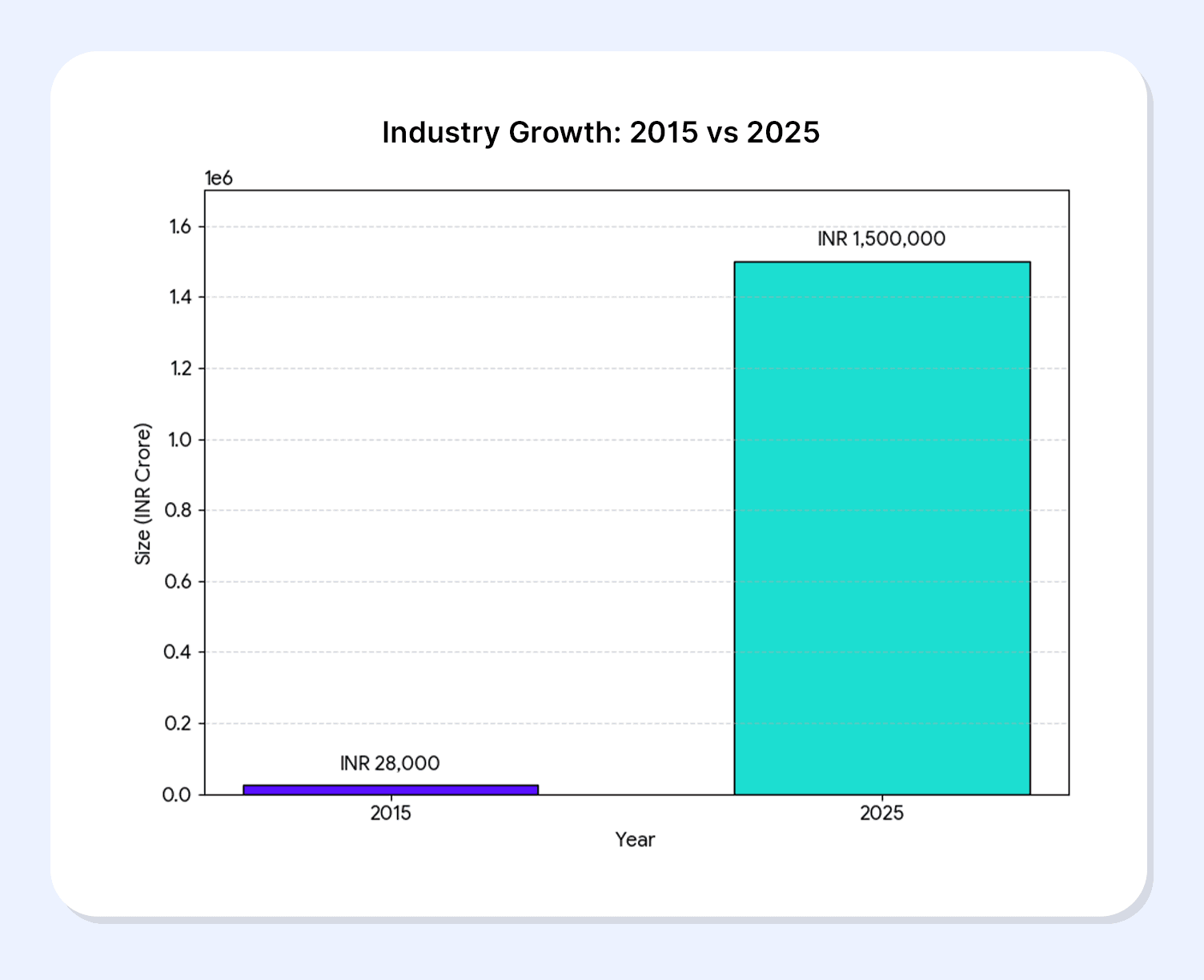
The growth trend explains SEBI’s timing. Industry size has crossed INR 15 lakh crore, up from about INR 28,000 crore a decade ago, implying around 49% CAGR3.
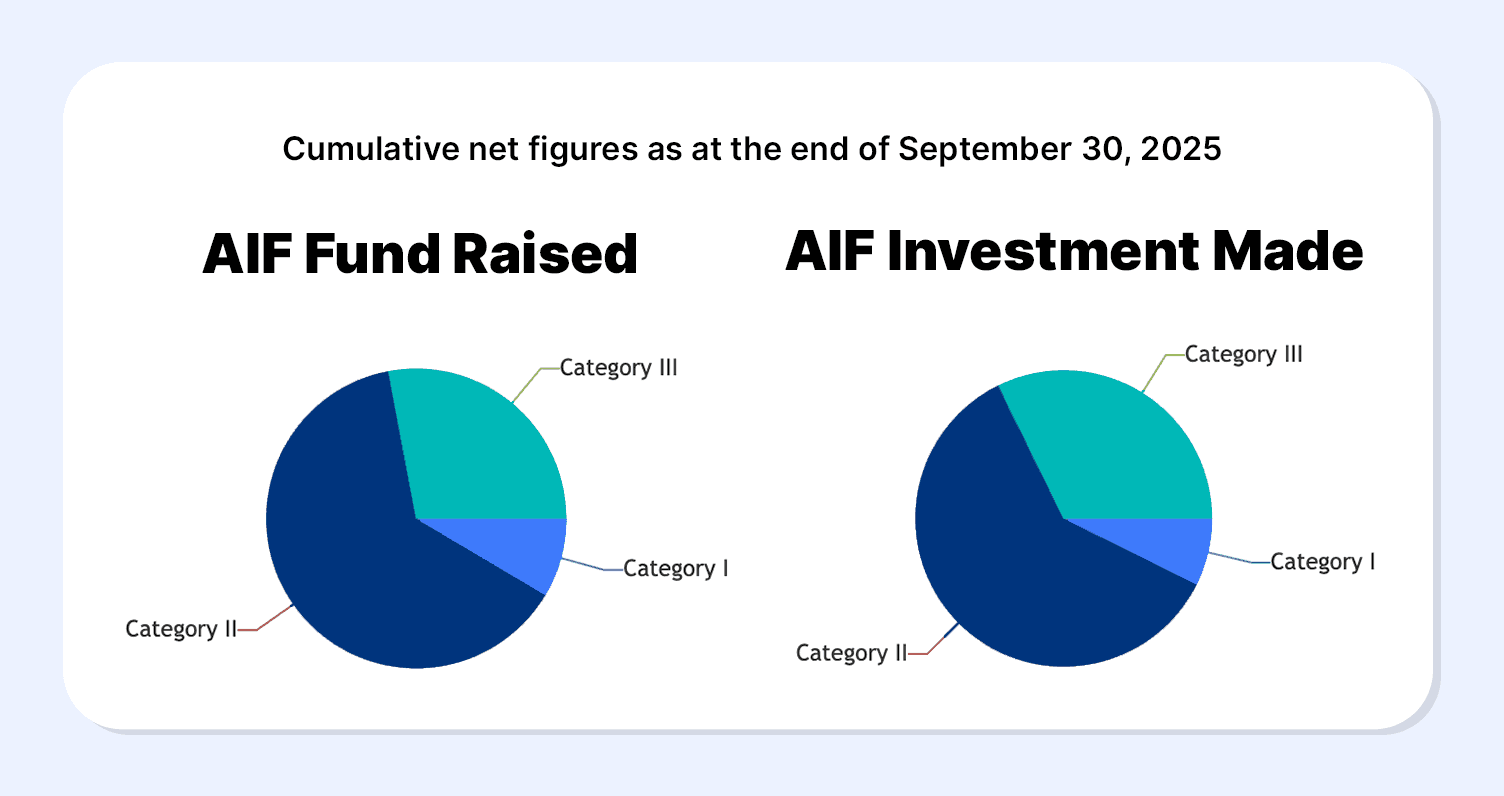
As of 30 September 2025, AIFs reported commitments of INR 15,05,372 crore, funds raised of INR 6,36,418 crore, and investments of INR 6,11,939 crore4.
Why SEBI leans on certification
- Scale raises complexity, so SEBI wants fewer governance gaps across fund structures and processes
- A common knowledge standard improves how compliance officers interpret and apply securities rules
- Stronger oversight reduces the risk of avoidable errors in disclosures, reporting, and ongoing obligations
- Clearer accountability supports market development, especially when participation from large domestic institutions remains limited
- Alternatives are becoming a steady allocation bucket, not a short-term trade, so compliance standards must keep pace
What This Means For Investors
Stronger compliance standards matter most at the investor end of the chain. When AIF managers run tighter controls, investors get clearer disclosures, more consistent reporting, and fewer surprises during audits or regulatory checks.
What this can mean for investors
- More confidence in how the manager follows rules, handles conflicts, and documents decisions
- Better visibility on ongoing obligations, especially for complex strategies and cash flow schedules
- Lower risk of avoidable process errors that can delay reporting, payouts, or scheme actions
As alternative funds such as private credit and structured debt expand, liquidity becomes a real, day-to-day consideration for investors holding fixed income exposures.
Bonds are first issued in the primary market, but the secondary market is where investors trade existing bonds, get price discovery, and keep flexibility on timing. In that context, transparent secondary liquidity options can matter, and platforms such as the Grip Marketplace can help investors compare live bond prices, ratings, yield, and maturity, then buy directly from other investors, making entry and exit more efficient where eligible and available.
Ready to explore other options? Visit the Grip Marketplace today!
FAQs
1. What is NISM certification for AIF compliance officers?
It is a qualification exam run by the National Institute of Securities Markets. SEBI’s December 2025 circular links the AIF compliance officer role to clearing the NISM Series-III-C Securities Intermediaries Compliance (Fund) test.
2. When does the rule take effect?
SEBI issued the circular on 30 December 2025, and it applies immediately. The certification eligibility for continuing or appointing the compliance officer role is set for 1 January 2027.
3. Who must get certified and when?
The compliance officer of an AIF manager needs the NISM Series-III-C certification. From 1 January 2027, SEBI expects only certified individuals to be appointed or to continue in that role.
4. How does this improve investor confidence?
It sets a clearer competence standard for the person monitoring regulatory duties. That can reduce avoidable compliance slips and make fund reporting feel more dependable.
References:
1. SEBI, accessed from: https://www.sebi.gov.in/legal/circulars/dec-2025/certification-requirement-for-compliance-officers-of-managers-of-aifs_98744.html
2. SEBI, accessed from: https://www.sebi.gov.in/sebi_data/attachdocs/1471519155273.pdf
3. Money Control, accessed from: https://www.moneycontrol.com/news/business/markets/sebi-mandates-nism-certification-for-aif-compliance-officers-from-2027-13749740.html
4. SEBI, accessed from: https://www.sebi.gov.in/statistics/1392982252002.html
Want to stay at the top of your finances?
Join the community of 4 lakh+ investors and learn more about Grip Invest, the latest financial knick-knacks and shenanigans that take place in the world of investing.
Happy Investing!
Disclaimer - Investments in debt securities/municipal debt securities/securitised debt instruments are subject to risks including delay and/ or default in payment. Read all the offer related documents carefully. The investor is requested to take into consideration all the risk factors before the commencement of trading.
This communication is prepared by Grip Broking Private Limited (bearing SEBI Registration No. INZ000312836 and NSE ID 90319) and/or its affiliate/ group company(ies) (together referred to as “Grip”) and the contents of this disclaimer are applicable to this document and any and all written or oral communication(s) made by Grip or its directors, employees, associates, representatives and agents. This communication does not constitute advice relating to investing or otherwise dealing in securities and is not an offer or solicitation for the purchase or sale of any securities. Grip does not guarantee or assure any return on investments and accepts no liability for consequences of any actions taken based on the information provided. For more details, please visit www.gripinvest.in
Registered Address - 106, II F, New Asiatic Building, H Block, Connaught Place, New Delhi 110001


