

Nippon India Mutual Fund: Would It Be Wise To Place Your Funds In 2026?


Nippon India Mutual Fund remains a leader among the top 5 asset management companies in India, attracting a large crowd of retail investors every year who are mainly looking for easily accessible, diversified, and performance-oriented investment avenues.
As the markets in 2026 approach with a more volatile trend, interest in index funds is rising, and more and more people are turning to fixed-income instruments for stability. The question investors are asking is whether the portfolio for next year should include the Nippon India Mutual Fund.
Overview Of Nippon AMC
The Nippon India Mutual Fund, a subsidiary of Nippon Life Insurance of Japan, manages one of the largest AUMs in India. The AMC has a wide range of funds, including equity, debt, hybrid, index, and thematic strategies. The company aims to cover the broadest possible retail participation so that investors with different objectives and risk appetites can construct efficient portfolios.
Nippon MF India is primarily recognized for its faithfulness to passive investing, its strength in the small-cap segment, and its ability to maintain outstanding performance across several long-standing funds. For instance, many investors check the Nippon India Mutual Fund NAV today to track their SIP and lump-sum plans and adjust their exposure based on market trends.
Top Nippon India Mutual Fund Categories
Nippon India Mutual Fund schemes are grouped according to their assets in the portfolio and the investment strategies they follow.
Equity Funds
Such funds invest mainly in the stocks of companies and are most suitable for investors with a high risk tolerance and a long-term investment perspective.
1. Large Cap Fund
These types of funds look for the most stable large-cap companies and, as a result, have lower risk, aiming for a steady buildup in the fund's value (for example, Nippon India Large Cap Fund).
2. Mid Cap & Small Cap Funds
These funds focus on mid-cap and small-cap companies, which have the potential for higher growth but also carry the risk that the fund's value may fluctuate (for example, Nippon India Small Cap Fund, Nippon India Growth Mid Cap Fund).
3. Multi-Cap & Flexi Cap Funds
These funds use the money invested in them to buy a mix of stocks from large, mid-cap, and small-cap companies, with either a fixed or a flexible allocation (for example, Nippon India Multi Cap Fund).
4. ELSS Funds
Equity-Linked Savings Schemes are offered through mutual funds officially recognized under the Indian Income Tax Act that grant tax benefits under Section 80C.
Debt Funds
With these, it is possible to attain a fairly stable return, as the funds are directed towards fixed-income securities such as bonds, debentures, and commercial papers, and therefore are an option with relatively low risk compared to equity funds.
1. Short Duration & Corporate Bond Funds
These funds invest in debt and money market instruments with shorter maturities. They are mainly focused on income generation (for example, the Nippon India Short Duration Fund and the Nippon India Corporate Bond Fund).
2. Dynamic Bond Funds
Such funds actively manage the portfolio by adjusting not only the duration of the debt they invest in but also the quality, depending on interest rate trends.
3. Hybrid Funds
Hybrid funds pool money raised from both equity and debt investors, thus achieving a balance between the two types of investments, complementary to each other, of growth and stability.
4. Balanced Advantage Funds
Through market timing, these funds manage the ratio of investments between equity and debt (for instance, the Nippon India Balanced Advantage Fund).
By using arbitrage strategies, such funds make money from price differences in various markets. The minimum investment in equity and equity-related instruments is 65%.
Commodity and Other funds
1. Gold/Silver Funds: These funds invest in gold or silver ETFs, providing exposure to the commodities market and offering a safe play during market volatility.
2. Retirement Funds: Purpose-based schemes, such as the Nippon India Retirement Fund, are designed to create long-term wealth for old age.
You can also get more detailed information on schemes and their performance by visiting the official website of Nippon India Mutual Fund.
Here is the category-wise AUM published by Nippon India Mutual Fund (in 2023):
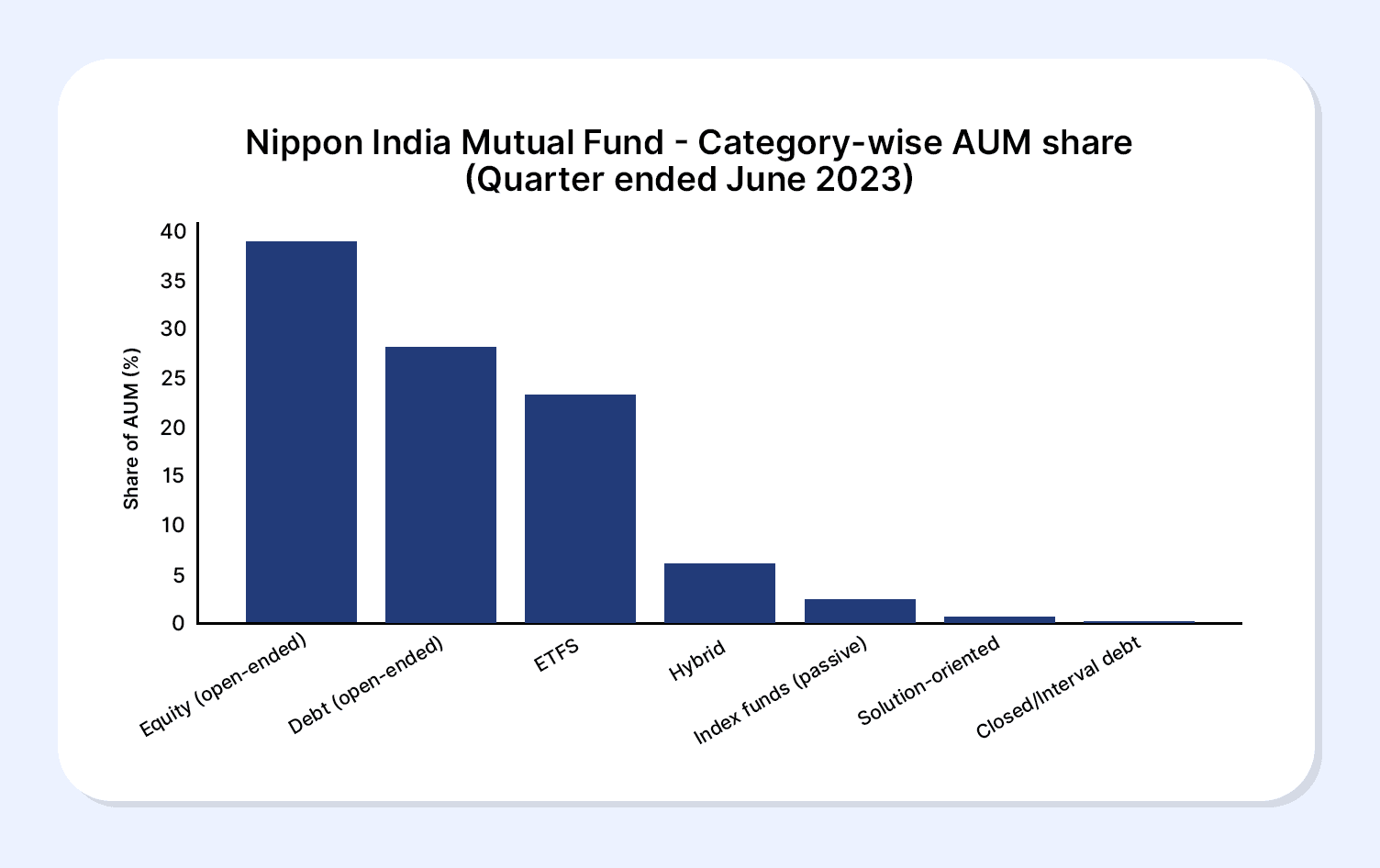
Figure 1.0: Category-wise Allocation (Source: Nippon India)
Note: All mutual funds carry market and interest?rate risk and that “relatively low risk” does not mean “safe” or guaranteed.
Who Should Choose Nippon?
There are quite a few investor profiles whose present or future needs could be solved by Nippon’s product depth.
1. Beginners: New investors such as Rohan may find Nippon’s index funds an ideal starting point for investing at a very low cost and in a very easy way. These funds aim to replicate the returns of market benchmarks such as the Nifty 50, the Sensex, or sectoral indices.
2. Passive investors: Those willing to adopt minimal intervention strategies will find it safe and easy to invest in Nippon ETFs and index funds, which regularly rank among the best passive funds in the Nippon India mutual fund category.
3. Debt-focused investors: Investors who are most concerned with safety and are willing to accept lower returns for this reason can go for debt funds such as short-duration, corporate bond, or gilt categories. Such products are designed to have lower volatility and thus offer steadier returns.
Considerations Before Investing
Although Nippon stores a wide range of products in its portfolio, investors must first consider a few crucial parameters before jumping into the investment pool.
1. Expense ratios: Cost efficiency is one of the main factors that vary across categories. The index funds and ETFs generally have lower expense ratios, whereas actively managed funds may charge more because of the need for research-driven strategies.
2. Historical returns: Long-term performance is far more important than short-term market cycles. To illustrate this point, the performance of the Nippon India Value Fund and the returns of the Nippon India Multi Cap Fund 2025 could be used to understand better how the A.M.C. 's funds behave during different phases of the economy.
3. Fund manager consistency: Nippon has a strong, capable, and experienced team of fund managers who have been with the firm for a long time. When looking at the best Nippon India Mutual Funds, a good idea is to examine the tenure and track record of the fund managers, as this helps assess their consistency in decision-making.
Why Fixed Income Still Matters
The presence of fixed income in a well-diversified portfolio is becoming increasingly crucial as financial markets become more unstable. On the one hand, debt funds provide stability, liquidity, and predictable returns, which are key factors for long-term asset allocation strategies.
On the other hand, platforms like Grip, which offer fixed-income products outside traditional mutual funds, can be a good match for Nippon India Mutual Fund holdings if the goal is to keep risk to a minimum during tumultuous periods.
Conclusion
In a volatile 2026 market, Nippon India Mutual Fund stands out with its strong equity performers like Small Cap and Multi Cap Funds, low-cost index trackers, and reliable debt options, suiting investors from beginners to those seeking passive stability.?
Pair these growth assets with fixed-income for balanced risk; to complement your holdings with curated corporate bonds and SDIs, log in to Grip Invest today.
FAQs
1. Is Nippon India Mutual Fund a good Investment?
Yes, it is one of India's top AMCs with strong contributions across the different equity, debt, and passive categories.
2. What are the best-performing Nippon funds?
Some of the best historical performers are Nippon India Small Cap Fund, Nippon India Multi Cap Fund, and a few index ETFs.
3. Is Nippon a Safe Space for Beginners?
Yes. Beginners are likely to choose Nippon index funds and hybrid allocations as a means of getting low-cost, diversified exposure.
Want to stay at the top of your finances?
Join the community of 4 lakh+ investors and learn more about Grip Invest, the latest financial knick-knacks, and shenanigans in the world of investing.
Happy Investing!
Disclaimer - Investments in debt securities/municipal debt securities/securitised debt instruments are subject to risks including delay and/ or default in payment. Read all the offer related documents carefully. The investor is requested to take into consideration all the risk factors before the commencement of trading.
This communication is prepared by Grip Broking Private Limited (bearing SEBI Registration No. INZ000312836 and NSE ID 90319) and/or its affiliate/ group company(ies) (together referred to as “Grip”) and the contents of this disclaimer are applicable to this document and any and all written or oral communication(s) made by Grip or its directors, employees, associates, representatives and agents. This communication does not constitute advice relating to investing or otherwise dealing in securities and is not an offer or solicitation for the purchase or sale of any securities. Grip does not guarantee or assure any return on investments and accepts no liability for consequences of any actions taken based on the information provided. For more details, please visit www.gripinvest.in
Registered Address - 106, II F, New Asiatic Building, H Block, Connaught Place, New Delhi 110001


